Aluminum Composite Panels have become one of the most widely used building materials in modern construction. Their lightweight structure, sleek appearance, and versatile performance make them a favorite for architects, designers, and builders.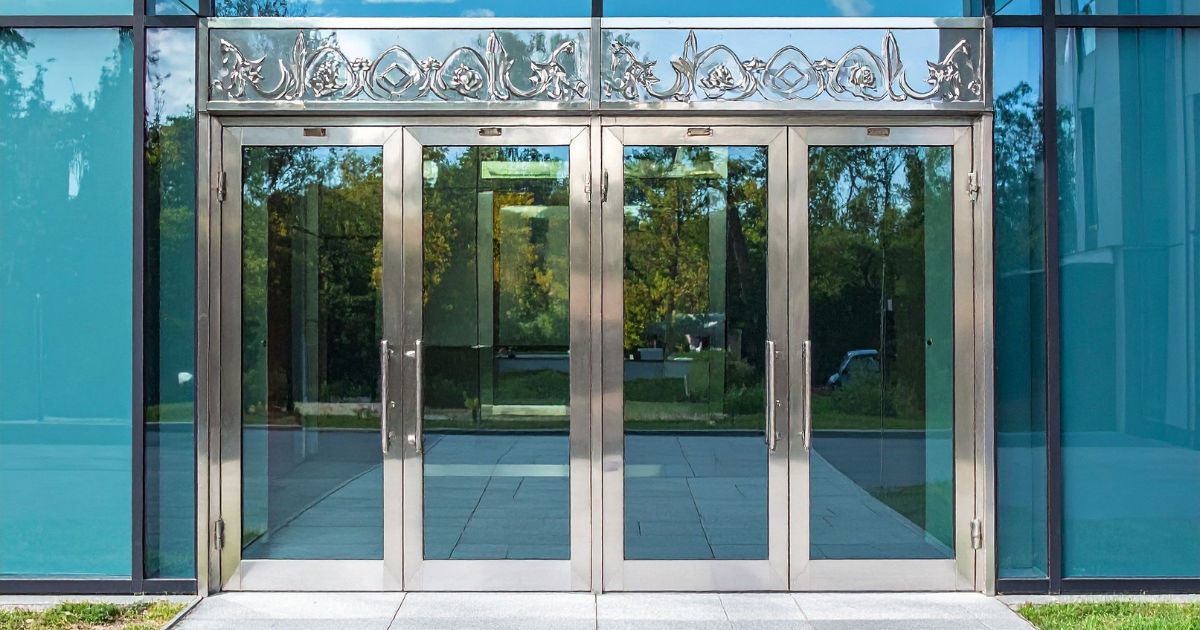
But while their core and face sheets get most of the attention, the coating applied to these panels plays an equally important role. In fact, the coating can determine how long Aluminum Composite Panels last, how well they resist weather, how vibrant they look, and how effectively they support overall building safety.
This comprehensive guide explains why coating matters, how coatings work, and what builders, architects, and property owners need to know before choosing the right solutions for Aluminum Composite Panels.
Understanding the Basics of Composite Panel Coatings
Choosing the right coating for Aluminum Composite Panels is more than a design decision. It influences durability, environmental resistance, and structural performance.
What a Coating Actually Does
A coating on Aluminum Composite Panels serves several important purposes. It protects the metal surface from corrosion, maintains color stability under sunlight, improves resistance to chemicals, and enhances the overall lifespan of the material. Without a strong coating, Aluminum Composite Panels can quickly degrade under harsh environmental conditions.
How Coatings Bond to the Panel Surface
Coatings adhere to Aluminum Composite Panels through a multi-step process involving surface treatment, primer application, and top-coat layering. Each step strengthens the final finish, ensuring that the coating stays intact even when exposed to wind, rain, dust, and temperature fluctuations. The quality of bonding affects the long-term performance of Aluminum Composite Panels.
Why Coating Matters in Building Applications
Environmental Protection
One of the biggest reasons coating matters is the protection it offers. Aluminum Composite Panels constantly face environmental threats like UV radiation, moisture, pollution, and salt in coastal areas. High-performing coatings help panels resist these factors. Without such coatings, Aluminum Composite Panels would fade, peel, or corrode much more quickly.
Structural Longevity
Coating extends the lifespan of Aluminum Composite Panels by preventing oxidation and surface wear. A well-coated panel can maintain its structural integrity for decades. This saves property owners significant maintenance costs over time and ensures buildings stay visually appealing.
Design and Aesthetics
Architects choose Aluminum Composite Panels partly because of their styling flexibility. Coatings create the vibrant colors, textures, and finishes that make a building stand out. Whether the goal is metallic shine, matte sophistication, stone replicates, or wood-pattern designs, coatings are what bring these visual effects to life. Without proper coatings, Aluminum Composite Panels would look dull and unrefined.
Types of Coatings for Composite Panels
PVDF (Polyvinylidene Fluoride) Coatings
PVDF is one of the most common protective layers used on Aluminum Composite Panels. It offers high durability, excellent UV resistance, and long-lasting color retention. For buildings in sunny climates, PVDF provides a huge benefit because it prevents fading over long periods. PVDF-coated Aluminum Composite Panels are among the most trusted materials for exterior facades.
FEVE (Fluoroethylene Vinyl Ether) Coatings
FEVE coatings offer exceptional gloss and weather resistance. They are ideal for projects where aesthetics are a priority. Many architectural designs specify FEVE-coated Aluminum Composite Panels because they maintain vibrant colors and high surface brilliance.
Polyester Coatings
Polyester coatings are typically more affordable and often used for interior applications. They still protect Aluminum Composite Panels, but they do not provide the same long-term UV stability as PVDF or FEVE. For budget-sensitive indoor projects, polyester-coated Aluminum Composite Panels are a practical option.
Anodized Finishes
Although not a coating in the traditional sense, anodizing is a surface treatment that enhances the durability of Aluminum Composite Panels. It creates a hard, scratch-resistant finish. Anodized Aluminum Composite Panels are known for their natural metallic appearance.
How Coatings Improve Performance
UV Resistance
Sun exposure is one of the leading causes of material degradation. Coatings protect Aluminum Composite Panels from UV-related fading, chalking, and surface damage. A high-quality coating ensures that the panels maintain their appearance for years, even in intense sunlight.
Corrosion Resistance
Aluminum is naturally resistant to rust, but the coating increases this protection significantly. This is especially important for Aluminum Composite Panels used in industrial regions or coastal environments where corrosion can occur more quickly.
Moisture Defense
Coatings prevent water from seeping into the surface. This is crucial for Aluminum Composite Panels installed in rainy or humid climates. Moisture resistance helps preserve the integrity of both the panel and the building.
Fire Performance Support
While coatings may not make Aluminum Composite Panels fireproof, they can improve heat resistance and surface behavior during fire exposure. The right coating combined with fire-retardant cores enhances overall safety.
The Role of Coating in Sustainability
Energy Efficiency
Reflective coatings help Aluminum Composite Panels reduce heat absorption. Buildings stay cooler, reducing the load on air-conditioning systems. Over time, this contributes to lower energy bills and improved efficiency.
Eco-Friendly Materials
Many manufacturers now offer environmentally responsible coatings for Aluminum Composite Panels. These coatings contain fewer volatile chemicals and are designed to meet green building standards. Choosing sustainable coatings supports healthier environments.
Long-Term Waste Reduction
Durable coatings extend the life cycle of Aluminum Composite Panels, reducing the need for frequent replacement. This lowers material waste and supports more sustainable construction practices.
Coating Application Process
Step 1: Surface Preparation
Before coating, the aluminum surface must be cleaned and treated. This ensures proper adhesion. The preparation stage is what allows coatings to bond effectively with Aluminum Composite Panels.
Step 2: Priming
Primers add an extra layer of adhesion support. They act as a bridge between the aluminum surface and the topcoat. Quality priming is essential for building long-lasting Aluminum Composite Panels.
Step 3: Top-Coating
Multiple layers of topcoat are applied to achieve a smooth, durable finish. The thickness and quality of the topcoat determine how well Aluminum Composite Panels resist scratches, fading, and weather damage.
Step 4: Curing
Heat curing hardens the coating. Properly cured Aluminum Composite Panels show stronger durability and improved color stability.
Common Issues When Coating Fails
Fading and Discoloration
If the coating is poor quality, Aluminum Composite Panels can lose their original color. Cheap coatings cannot withstand years of sunlight exposure. Fading buildings appear neglected, reducing property value.
Peeling or Cracking
Weak bonding leads to coating separation. When peeling begins, moisture enters the panel surface, weakening the structure. Cracked coatings make Aluminum Composite Panels vulnerable to environmental damage.
Reduced Structural Strength
While the coating doesn’t replace the core strength, a damaged coating can accelerate wear. Poorly protected Aluminum Composite Panels may deform or corrode faster.
Increased Maintenance Costs
Panels with failing coatings require frequent cleaning, repainting, or replacement. High-quality coatings help avoid these unnecessary expenses.
How to Choose the Right Coating for Your Project
Consider Environmental Conditions
Buildings exposed to severe weather require stronger coatings. For sunny climates, choose high-grade, UV-resistant coatings for Aluminum Composite Panels.
Evaluate Longevity Needs
If your project needs decades of performance, premium coatings are worth the investment. PVDF and FEVE are ideal for long-term exterior use on Aluminum Composite Panels.
Identify Aesthetic Goals
Different coatings offer various finishes—matte, glossy, metallic, textured. Decide how you want the final installation to look. Appearance matters, especially for exterior Aluminum Composite Panels used in branding or high-visibility locations.
Compare Budget vs. Quality
Budget-friendly coatings exist, but they may not last as long. Evaluate long-term value instead of only upfront costs when selecting coatings for Aluminum Composite Panels.
Maintenance Tips to Preserve Coating Quality
Regular Cleaning
Dust, debris, and pollutants settle on building surfaces. Light cleaning helps preserve both the appearance and function of coatings on Aluminum Composite Panels.
Inspection After Harsh Weather
Storms, hail, and heavy winds can damage panel coatings. Periodic inspections help catch early signs of wear and protect your Aluminum Composite Panels from long-term damage.
Avoid Harsh Chemicals
Strong chemicals can weaken the coating surface. Use mild cleaners to maintain Aluminum Composite Panels safely without stripping protective layers.
Re-Coating When Needed
Over time, even the best coatings may require renewal. Re-coating extends the usable life of Aluminum Composite Panels, making them look new again.
Real-World Applications Where Coating Makes a Difference
High-Rise Buildings
Tall structures endure strong sun exposure, winds, and temperature changes. Coatings protect Aluminum Composite Panels from extreme conditions at elevated heights.
Commercial Shops and Brand Exteriors
Vibrant colors are essential for storefronts and corporate branding. High-quality coatings keep Aluminum Composite Panels looking sharp and attractive for years.
Transportation and Infrastructure
Airports, train stations, and terminals favor Aluminum Composite Panels because the coatings provide reliable durability for busy, high-traffic areas.
Industrial Facilities
Factories and warehouses use coated Aluminum Composite Panels for corrosion resistance. Proper coatings help panels withstand chemicals, fumes, and harsh surroundings.
The Future of Coatings for Composite Panels
Advanced Nanotechnology Coatings
Nanocoatings enhance scratch resistance, self-cleaning abilities, and UV performance. Future Aluminum Composite Panels may rely on these high-tech solutions for greater durability.
Smart Coatings
Emerging technologies allow coatings to change color with temperature or resist graffiti. These innovations will transform how Aluminum Composite Panels perform in public spaces.
Environmentally Responsible Coatings
As green building standards rise, eco-friendly coatings will become more popular. These coatings help Aluminum Composite Panels support sustainable construction goals.
Conclusion
Coating is not just a final cosmetic layer—it is one of the most important components influencing the quality, durability, safety, and appearance of Aluminum Composite Panels. A properly chosen coating protects against UV radiation, moisture, corrosion, pollution, and physical wear. It enhances the aesthetic appeal of buildings while contributing to long-term energy efficiency and sustainability.
Whether you are designing a high-rise façade, a commercial storefront, or an industrial structure, your choice of coating plays a crucial role in the performance of Aluminum Composite Panels. Understanding the available coating options, their strengths, and the environmental demands of your project will help you select the right system. With high-quality coatings, Aluminum Composite Panels can maintain beauty and structural reliability for decades.