
Introduction
Picture this: you’re crawling through Joburg traffic, heater on, radio low, eyes on the range number. The automotive battery pack is holding steady, but you’re not sure how long that calm will last. Last winter, your daily range dipped by almost 12% in the cold, and the car felt sluggish after a few short errands—yebo, that’s normal, but still annoying. Now you’re asking yourself: is this about the cells, or the way the pack is split into modules and managed? And if so, what can you actually change?
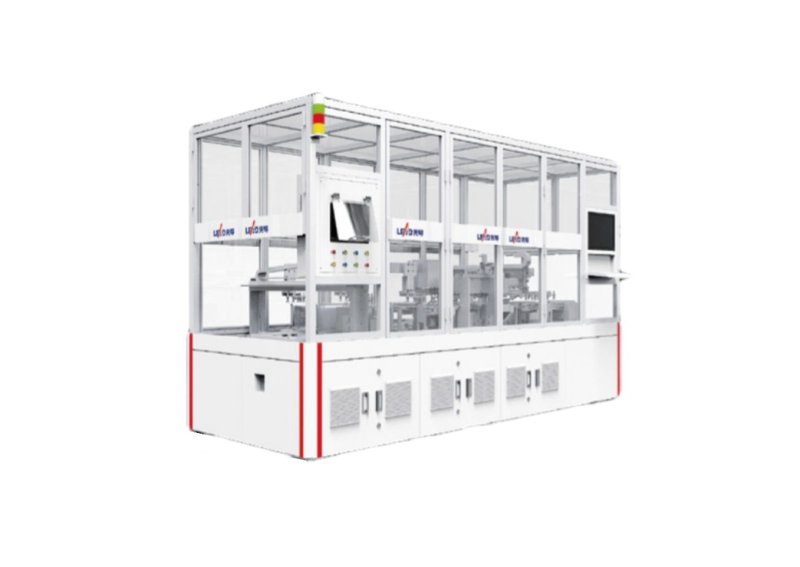
Here’s the thing—most drivers don’t think about modules at all. But the way your pack is built decides a lot: heat flow, charge speed, and how the Battery Management System (BMS) reads the cells. It also shapes safety under stress, like thermal runaway suppression. So, what’s the smarter move when you compare today’s options, from old-school blocks to smarter, software-led layouts (eish, choices)? Let’s unpack how module decisions can make or break daily use, and then look ahead to better builds.
Part 2: Why Traditional Modules Miss the Mark
Where do legacy designs stumble?
The core piece is the automotive battery module. In many legacy packs, modules are fixed, bulky blocks. They’re wired in ways that add resistance and heat, and they feed data over a busy CAN bus. That means slower fault detection when things go sideways. The BMS then works with averages, not the full picture, so cells drift. You feel it as uneven range, jerky fast charging, and fan noise. Look, it’s simpler than you think: if the BMS can’t “see” each cell well, it can’t balance well.

There’s more. Old layouts bunch prismatic cells tight, with patchy cooling plates and few sensors. That raises hotspot risk and hurt life under DC fast charge. Service is tough too—open the pack, swap a module, pray the harness plays nice. Power converters must work harder to condition messy inputs. Edge cases—like towing, high heat, or mountain passes—stress weak spots. And the CAN bus fills with chatter, so alarms can lag. Under rare faults, thermal protection triggers late. It’s not doom, but it’s a pattern.
Part 3: New Principles, Clear Comparisons
What’s Next
The fix is not just “more sensors.” It’s a rethink of how modules work. Newer packs either trim the module count or make modules smarter. Each smart automotive battery module gets local brains—tiny edge computing nodes that watch voltages, currents, and temperatures in real time. Data rolls up fast, so cell balancing happens early, not after heat builds. Cooling plates go zonal, so hotspots fade. Silicon carbide power converters cut losses during charge and regen. And the BMS moves from averages to granular states—SOC and SOH per string, even per cell. Suddenly, fast charge feels consistent. Range estimates calm down—funny how that works, right?
There’s also the “module-light” trend, often called cell-to-pack. Fewer parts means less weight and less resistance. But it needs stronger thermal paths and better fault isolation. A hybrid approach is winning: small, serviceable modules, each with a microcontroller, redundant sensors, and firmware that updates over the air. It balances risk and cost. It also makes service sane. Fault in one zone? Isolate it, limp safely, schedule a swap. That’s practical. And it’s kinder to prismatic cells over time because heat has a clear escape path.
So, what should you watch when choosing a design or a supplier? Keep it simple and measurable. One: energy density per liter with sustained cooling performance, not just brochure numbers. Two: diagnostic transparency—how fast can the system trace a fault across modules, and how much detail does it expose? Three: upgrade path—can you expand capacity, add sensors, or push new BMS logic without opening the whole pack? Those three metrics tell you more than any slogan. If a vendor shows stable thermal maps, low bus latency, and clean service steps—you’re in good shape. And if the plan includes a roadmap for smarter modules (with OTA updates and zonal cooling), even better—because tomorrow’s traffic won’t get lighter. For context on integrated solutions in this space, see LEAD.