
Removing a tree stump can be a daunting task. While many homeowners think they have no choice but to dig up a stump entirely, there is a safer and more efficient alternative: stump grinding. Especially in urban environments, where safety is paramount, opting for stump grinding over full stump removal reduces risk, saves time, and protects your property.
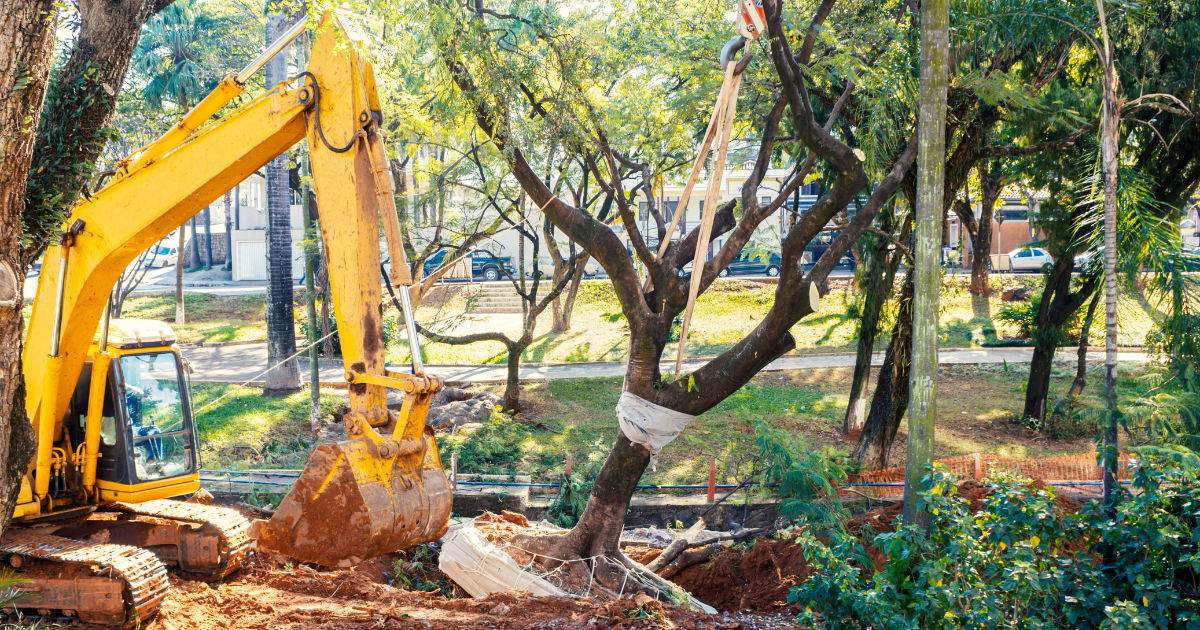
For those seeking professional assistance, services like tree pruning Canberra offer skilled operators who can handle these tasks with expertise.
In this guide, we’ll explore why stump grinding is safer, how it works, and why it should be your go-to solution.
Stump Grinding and Stump Removal
Before we dive into safety concerns, it’s important to understand the difference between stump grinding and stump removal.
What is Stump Grinding?
Stump grinding involves using specialized machinery to grind a tree stump down into small wood chips. This process leaves the roots in the ground but removes the visible part of the stump, making the area safe and usable again.
What is Stump Removal?
Stump removal, on the other hand, requires digging out the entire stump and root system. This process often involves heavy machinery or extensive manual labor. While it completely eliminates the stump, it also increases the risk of accidents and property damage.
Why Safety Matters
Tree work, including dealing with stumps, can be dangerous. The risks associated with improper techniques include:
-
Serious injuries from sharp tools or machinery
-
Damage to nearby structures like fences, sidewalks, or driveways
-
Hidden underground hazards such as gas lines or sprinkler systems
Choosing the safest method is crucial, especially for homeowners who want to protect themselves and their property.
Reduced Physical Risk
One of the main reasons stump grinding is safer than removal is the reduced physical risk. Grinding machines are designed to handle the tough wood of a stump without requiring manual digging or heavy lifting.
Manual stump removal often involves:
-
Cutting roots with axes or saws
-
Digging around the stump, which can strain your back
-
Lifting heavy, stubborn stumps
Each of these activities increases the likelihood of injury. With stump grinding, the operator controls the machine from a safe position, significantly reducing personal risk.
Minimal Property Damage
When you attempt to remove a stump manually, there is a high chance of damaging your lawn, garden, or nearby structures. Digging up a root system can disturb soil, uproot plants, and even damage underground utilities.
Stump grinding is a controlled process. The machine focuses only on the stump, leaving surrounding areas largely untouched. For homeowners concerned about maintaining the aesthetics of their yard, this method is far superior.
Quicker Process
Time is another factor in safety. The longer you spend digging and chopping, the higher the risk of accidents. Stump removal can take hours or even days, depending on the size of the tree.
Stump grinding, in contrast, is much faster. A professional can grind a medium-sized stump in under an hour, making the job more efficient and less risky.
Professional Expertise Matters
Hiring trained professionals like those offering tree pruning Canberra ensures that the job is done safely. These experts know how to operate heavy machinery, avoid underground hazards, and protect your property.
Even with the right equipment, untrained individuals are prone to mistakes. Professionals minimize risk by following established safety protocols, wearing protective gear, and using the correct machinery for each stump size.
Environmental Considerations
Beyond personal and property safety, stump grinding also has environmental advantages.
-
Preserves soil structure: Grinding leaves the roots intact, which can prevent soil erosion.
-
Supports natural decomposition: The remaining roots break down naturally over time, enriching the soil.
-
Reduces waste: Wood chips produced during grinding can be used as mulch, reducing the need for chemical fertilizers.
In contrast, full stump removal disturbs the soil extensively, sometimes requiring chemical treatments to fill holes or stabilize the ground.
Hidden Hazards in Stump Removal
Full stump removal involves digging deep into the ground, which can uncover hidden hazards such as:
-
Buried utility lines
-
Underground irrigation systems
-
Rocks or compacted soil that can cause tool damage or accidents
Stump grinding avoids these hazards. Since the process is confined to the visible stump and upper roots, there’s less chance of hitting anything unexpected.
Cost Considerations
While cost might not seem like a safety issue at first glance, it indirectly affects safety. Expensive or prolonged projects can lead homeowners to take shortcuts, increasing risk.
Stump grinding is often more cost-effective than full removal because:
-
It requires less labor
-
It takes less time
-
There’s minimal need for additional repairs or landscaping
Lower cost combined with faster completion naturally reduces risk exposure.
Stump Grinding Equipment and Safety Features
Modern stump grinding machines come with advanced safety features, making the process much safer than manual removal. Key features include:
-
Protective guards: Prevent debris from flying toward the operator
-
Remote controls: Allow safe operation from a distance
-
Emergency shut-off switches: Quickly stop the machine in case of danger
Professional operators, like those in tree pruning Canberra, are trained to use these features to maximize safety.
How to Prepare for Stump Grinding
Even though stump grinding is safer, preparation is important:
-
Mark underground utilities: Call local authorities to mark any lines or pipes.
-
Clear the area: Remove rocks, debris, and obstacles around the stump.
-
Wear protective gear: Gloves, eye protection, and sturdy shoes are recommended.
-
Hire professionals: Experienced operators minimize risk and ensure a smooth job.
Proper preparation reduces the chance of accidents and ensures the process goes quickly and efficiently.
When Stump Removal Might Be Necessary
While stump grinding is safer in most situations, there are cases where full stump removal may be required:
-
Large stumps in construction areas where roots may interfere with foundations
-
Stumps affected by disease that could spread to nearby plants
-
Areas where the ground must be fully leveled for landscaping projects
Even in these cases, professional assistance is crucial to manage safety risks.
Benefits of Stump Grinding Beyond Safety
Safety is important, but stump grinding offers several additional advantages:
-
Aesthetic appeal: Eliminates unsightly stumps quickly
-
Prevents pest infestations: Reduces hiding spots for termites and other insects
-
Easier landscaping: The area becomes usable for new plantings, lawns, or pathways
These benefits make stump grinding a practical choice for homeowners looking to maintain a safe and attractive yard.
DIY vs Professional Stump Grinding
While DIY stump grinding is possible, it carries risks if you lack training:
-
Mishandling machinery can cause serious injuries
-
Inexperienced operators may damage nearby structures or plants
-
Risk of hitting hidden obstacles increases
Hiring professionals, especially for complex or large stumps, is the safest option. Services like tree pruning Canberra provide the equipment and expertise needed for safe and efficient grinding.
Key Safety Tips for Stump Grinding
Even when hiring professionals, homeowners should follow basic safety guidelines:
-
Keep children and pets away from the work area
-
Ensure the operator uses protective gear
-
Confirm the area is free from obstacles and underground hazards
-
Follow post-grinding cleanup procedures to avoid tripping hazards
Adhering to these tips ensures that the process is as safe as possible.
Case Study: Stump Grinding vs Removal in Urban Settings
Consider a scenario in a residential Canberra backyard:
-
A 40-inch oak tree was removed, leaving a large stump
-
Homeowners debated between manual stump removal and stump grinding
-
Manual removal would have required digging near underground irrigation lines and garden beds
-
Stump grinding was completed in under an hour without any damage to the garden or infrastructure
This example highlights how stump grinding not only protects homeowners but also preserves their property, making it the safer and smarter choice.
Common Myths About Stump Grinding
Many homeowners hesitate to choose stump grinding due to misconceptions:
-
Myth 1: Grinding is not permanent.
-
Reality: While the roots remain, the visible stump is eliminated, and the area becomes usable.
-
-
Myth 2: It’s only for small stumps.
-
Reality: Modern grinders can handle stumps of almost any size.
-
-
Myth 3: It’s more expensive than removal.
-
Reality: Stump grinding is often cheaper and faster than full removal, especially when considering labor and landscaping costs.
-
Dispelling these myths can help homeowners make informed, safe decisions.
Conclusion
When it comes to handling tree stumps, safety, efficiency, and property preservation are key considerations. Stump grinding clearly offers advantages over full stump removal. It minimizes physical risk, reduces property damage, avoids hidden hazards, and is faster and often more cost-effective.
For homeowners, hiring professionals, such as those offering tree pruning Canberra, ensures the job is done safely and effectively. By choosing stump grinding, you protect yourself, your family, and your property while also maintaining a clean and usable outdoor space.
In almost every scenario, stump grinding is the safer, smarter, and more practical choice over traditional stump removal. Whether for aesthetic reasons, safety concerns, or ease of landscaping, stump grinding is a solution that provides peace of mind and lasting results.