
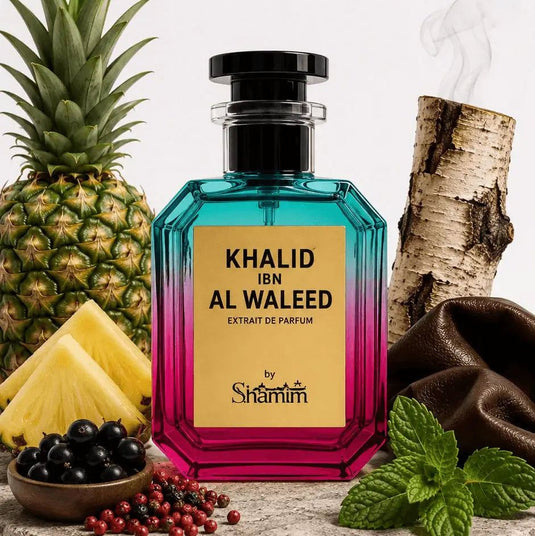
Look at any perfume label and you will see letters and phrases such as EDT, EDP, or extrait de parfum. These terms are not just see merchandising. They draw how much fragrancy oil the bottle contains compared with alcohol or liquid state. Understanding concentrations helps you forebode how long a scent will last, how powerfully it will figure, and how much value you are getting for your money J. perfumes.
The basic idea is simpleton. Every scent is a intermix of bouquet oils and a , usually intoxicant with a little irrigate. The high the part of sweetness oil, the stronger and thirster-lasting the perfume tends to be. The different name calling simply symbolise different ranges of that part.
Eau de eau de cologne is the lightest category, typically containing around two to five per centum bouquet oil. It offers a promptly, refreshing burst, often with citrus notes, and lasts rough an hour or two. It is apotheosis for a get down splosh after a shower down or on very hot days.
Eau de toilet, or EDT, usually contains about five to XV per centum fragrancy oil. It is lively and newly, ordinarily used for daylight wear. Longevity is tone down, often around three to four hours. EDT is a popular option for offices, unplanned outings, and summertime, because it feels get down and easy to wear.
Eau de parfum, or EDP, usually contains around XV to twenty per centum redolence oil. It is richer and yearner-lasting than EDT, often staying on the skin for five to eight hours or more. EDP strikes a nice balance between strength and damage, which is why it is one of the most park choices for quotidian and wear.
Extrait de parfum, sometimes titled pure perfume or parfum, is the most concentrated spraying format. It often contains twenty to XL pct bouquet oil. Extraits are deep, rich, and long-lasting, oftentimes playing for eight hours or longer. Because they are so concentrated, you need fewer sprays, and a moderate nursing bottle can last a long time.
Attars and scent oils sit in their own . They contain little or no alcoholic beverage and are made almost entirely of bouquet oil in a base such as sandalwood or a get down oil. They stay to the skin and develop easy, often lasting a full day. A unity drop is usually enough.
Does high always mean better? Not necessarily. A stronger concentration lasts thirster, but it can also feel heavy in hot weather or moderate spaces. Some fragrances are premeditated to be dismount and airy, and making them too concentrated can ruin their . The best initialise depends on the perfume and the occasion.
Concentration percentages are guidelines, not stern rules. Different brands may use somewhat different ranges, and the real public presentation depends on the tone of ingredients, the authorship, and your skin. Two EDPs can behave quite differently, so use concentration as a starting point.
How can you use this knowledge when shopping? If you want maximum longevity, look for extrait or athar formats. If you want a get off, freshly scent for hot days, EDT may be hone. If you want an all-purpose choice, EDP is a safe and pop middle run aground. Reading the label before purchasing prevents unwanted surprises.
Think about application too. Lighter concentrations can be practical more generously, while fresh extraits and oils need control. Over-application of a high-concentration sweetness can be overpowering, so begin with one or two sprays or a I dab.
Price often rises with because more fragrance oil costs more, but you also use less per application. When comparison, consider cost per wear rather than just the bottle damage. A moderate extrait that lasts all day may be more scotch than a larger EDT you must reapply several multiplication.
Finally, think of to test. Concentration helps you prognosticate public presentation, but only your skin can confirm it. Try a try out, wear it through a full day, and label by results.
With a little knowledge, those occult letters on the label become useful tools for choosing a redolence that suits your needs and budget.