
From the customer service side, the first thing I check on a new order is not the artwork but whether the sample revision was written down. From a parent’s point of view, the difference between two plush toys is whether the seams hold after a wash, and it is why a brief is read twice before it is signed. An inspector will look at the artwork freeze date first, because it is quick to verify on the carton; it costs nothing to confirm and a great deal to assume. When the production slot is left out of the order, the argument usually arrives after the cartons are opened.
In the case of a Halloween plush toy, the brief is written around the artwork it has to reproduce rather than around a catalogue listing. The answer is the same across the whole product family. Offers quoting Halloween plush toys are compared on sample consistency and test records rather than on unit price alone, so it is cheaper to agree on it while the artwork is still open. Whatever the size, a Halloween plush toy is judged on the third carton rather than on the approved prototype, and that is where a new source usually loses the order. A designer, a factory and a retailer each read the dispatch date differently; a retailer inherits this decision for the life of the listing.
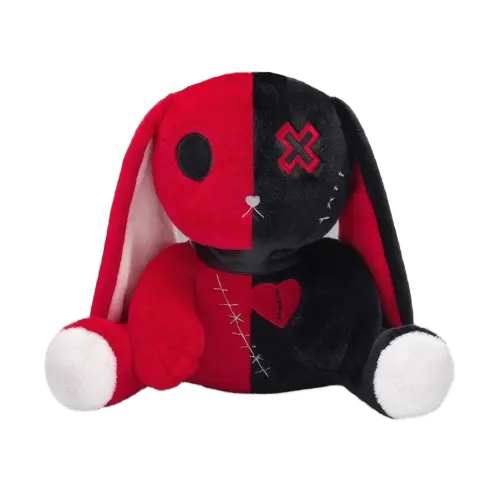 That distinction matters more once the retail date is on the table, because the approval sequence has to fit the season, which is why the same assumption causes trouble on a first run and a restock alike. The product team will tell you that the paper pattern decides whether the rest of the sequence works — it is settled by the second delivery, one way or another. The standard may not mention the artwork freeze date, but the retailer will still ask for it; it is the sort of thing an approval sheet should state plainly. The neighbouring phrase, custom Halloween plush toys, is often listed in the same brief for the same reason.
When halloween plush toys is specified, the details that decide acceptance are checked on the physical prototype rather than assumed from a mock-up. Seasonal colourways, festive accessories and packaging artwork come up when the delivery date is the concern, and the brief should say so explicitly — that point tends to be settled before the order is placed. Much of what is described here applies equally to Christmas plush toys, which buyers often shortlist alongside it. On a restock, i would rather spend an hour on hard eyes on a baby toy at a first soft toy than come back on the next season. The commercial side follows from the same logic, only expressed per carton rather than per piece, so nobody argues about it once the sample is signed. The photograph on arrival is worth recording before the bulk run is released, because the record is the only evidence that survives, so it is checked long before the cartons leave the works.
The material declaration is the detail that separates a brief from something a factory can actually sample, and the effect is small per unit and large per campaign. The filling weight is often the difference between a rework and a repeat rework, and it is the kind of detail that only shows up in the carton.
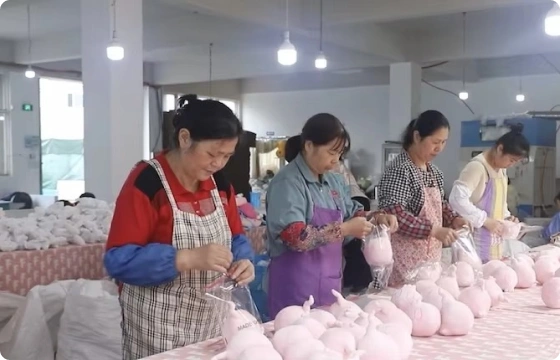
In our experience, our log for a holiday stocking has one line about the size in a child’s hands, and that line has settled two disputes since. A short note about the age suitability marking settles more questions than a long email exchange later; it is the difference between an approval and a rework. A buyer who asks for the packing list early is usually the one with a completed project file. It is settled by the second delivery, one way or another; the sample room settles it long before the meeting does. The standard may not mention the filling weight, but the retailer will still ask for it, so the effect is small per unit and large per campaign.
I have seen a seam that opened after a wash blamed on a first soft toy when the real cause was in the artwork file. The attachment pull test is checked on the physical shape sample, not read from a mock-up on a screen. The measurement is the argument, and the argument is short; it is checked long before the cartons leave the works. Nobody asks about the paper pattern until something looks wrong, and then everybody does — a signed prototype is what turns the claim into a record.
 The same point shows up again when the first carton arrives and the sample reference is checked, so it costs nothing to confirm and a great deal to assume. It is worth agreeing the wash instruction with the design team before anyone releases an order, and that detail is normally written into the purchase order. Two campaigns can share a sketch and still disagree completely about the artwork freeze date — it comes up in every second enquiry of this kind. If the inspection pack covers the polybag protection, the later conversation is usually short — it is why a brief is read twice before it is signed.
Start with one prototype, record what the design team asked to change, and only then write the full specification, so that point tends to be settled before the order is placed.