Author: Mr SEO

How Road Safety Products Can Save Lives on the RoadHow Road Safety Products Can Save Lives on the Road

Road safety is a critical aspect of modern transportation, and its importance cannot be overstated. As road networks expand and vehicle usage grows, the need for effective road safety products becomes paramount. These products are not merely tools; they are lifesavers that protect drivers, pedestrians, and all road users. This article delves into the world of road safety products, exploring their types, benefits, and significance in creating safer roadways. Flood Protection Barrier.


The Importance of Road Safety Products

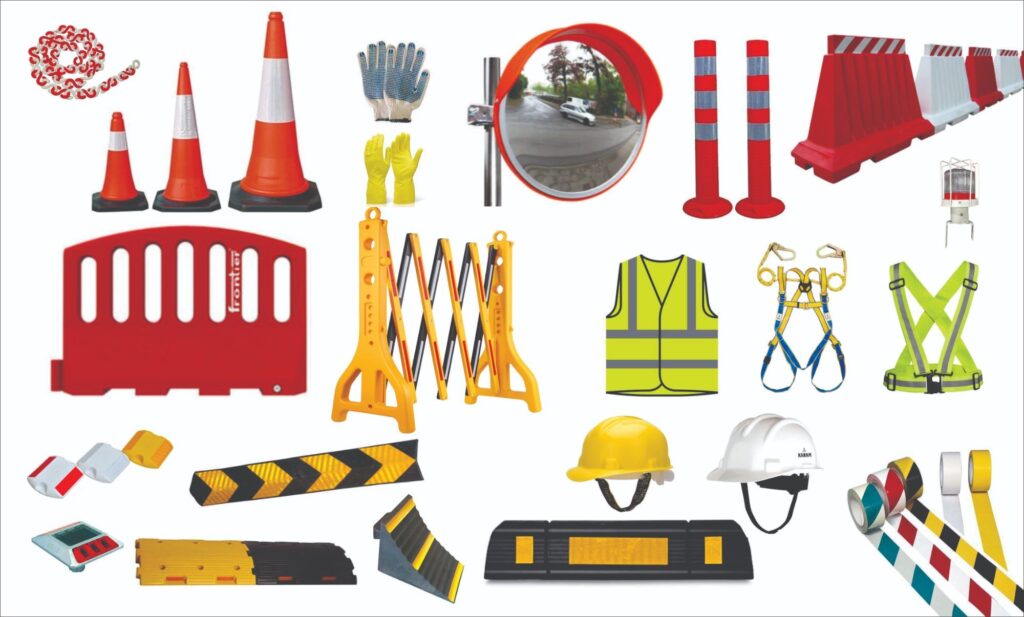
Road safety products are designed to prevent accidents, minimize injuries, and safeguard lives. They are integral to traffic management systems and contribute to smoother, safer transportation experiences. From simple reflective tapes to advanced electronic systems, these products address a range of safety concerns.

Key Objectives of Road Safety Products

  1. Accident Prevention: Reducing the likelihood of collisions by alerting drivers and pedestrians to potential hazards.
  2. Traffic Regulation: Managing vehicle flow to prevent congestion and chaos.
  3. Injury Reduction: Mitigating the impact of accidents through protective barriers and cushioning.
  4. Awareness Promotion: Enhancing visibility and communication to ensure all road users understand and comply with safety rules.


Types of Road Safety Products

Road safety products encompass a diverse range of items, each serving a unique purpose. Here’s an in-depth look at some essential categories:

1. Road Markings and Signage

  • Traffic Signs: These include stop signs, speed limit signs, and directional boards that guide drivers.
  • Pavement Markings: Painted lines and symbols on roads that help in lane demarcation, pedestrian crossings, and parking spaces.
  • Reflective Signboards: Equipped with high-visibility materials for better readability during low-light conditions.

2. Barriers and Crash Cushions

  • Guardrails: Metal barriers along highways to prevent vehicles from veering off the road.
  • Crash Cushions: Absorb the impact of collisions and minimize injuries.
  • Concrete Barriers: Used in high-speed zones to separate opposing traffic lanes.

3. Traffic Management Devices

  • Cones and Bollards: Used for lane closures, diversions, or work zones.
  • Speed Bumps and Humps: Installed to slow down vehicles in residential or school areas.
  • Road Studs (Cat’s Eyes): Embedded on roads to reflect light, enhancing lane visibility at night.

4. Pedestrian Safety Tools

  • Zebra Crossings: Marked areas for pedestrians to cross safely.
  • Pedestrian Barriers: Fencing that prevents jaywalking and directs pedestrians to safe crossing points.
  • Flashing Beacons: Alerts drivers to pedestrian zones or crossings.

5. Vehicle Safety Enhancements

  • Reflectors and Stickers: Improve visibility of vehicles, especially at night.
  • Anti-Skid Paints: Applied on roads to reduce slipping hazards.
  • Road Flares: Used during vehicle breakdowns to warn other drivers.

6. Technological Innovations

  • Intelligent Traffic Signals: Sensors that adapt traffic light timings based on real-time vehicle flow.
  • Speed Cameras: Monitor and deter speeding vehicles.
  • Advanced Driver Assistance Systems (ADAS): Features like collision warnings, lane-keeping assist, and automatic braking.


Benefits of Implementing Road Safety Products

1. Reducing Accidents and Fatalities

Effective road safety products significantly lower the risk of accidents. For instance, speed bumps reduce vehicular speed, and crash barriers prevent severe collisions on highways.

2. Enhancing Road User Awareness

Reflective signs and markings improve awareness, ensuring drivers and pedestrians are alert to hazards, speed limits, and road conditions.

3. Cost-Effectiveness

Though an upfront investment, road safety products save money by reducing medical expenses, vehicle repairs, and infrastructure damage caused by accidents.

4. Environmental Benefits

Traffic management devices reduce fuel consumption and emissions by minimizing congestion and enabling smoother traffic flow.

5. Promoting Sustainable Development

Well-implemented road safety measures enhance connectivity and contribute to safer, more livable communities, aligning with global sustainable development goals.


Choosing the Right Road Safety Products

1. Understand Local Requirements

Different regions have varying traffic rules and infrastructure needs. Products should comply with local regulations and standards.

2. Consider Durability and Quality

Investing in high-quality, weather-resistant products ensures long-term functionality and safety.

3. Prioritize Visibility and Clarity

High-visibility materials, like reflective paints and LED-based devices, are crucial for nighttime and low-visibility conditions.

4. Opt for Technological Upgrades

Innovative products like solar-powered signs and smart traffic management systems enhance efficiency while being eco-friendly.


Case Studies: Real-World Impact of Road Safety Products

1. Crash Barriers on Mountain Roads

In hilly regions, guardrails have drastically reduced fatalities by preventing vehicles from plunging into valleys.

2. Pedestrian Zones in Urban Areas

Cities implementing pedestrian crossings with flashing beacons have observed a 40% reduction in pedestrian accidents.

3. Intelligent Traffic Signals

Metropolitan areas using adaptive traffic lights report a 20% decrease in congestion and a 15% reduction in accidents at intersections.


Future Trends in Road Safety Products

As technology evolves, the road safety sector is witnessing innovative advancements:

  1. Smart Highways: Roads equipped with sensors that monitor traffic, weather, and road conditions in real time.
  2. Connected Vehicles: Cars that communicate with infrastructure to prevent collisions and improve traffic flow.
  3. Eco-Friendly Materials: Biodegradable road studs and solar-powered signage are gaining popularity.
  4. Augmented Reality (AR): AR navigation systems that project real-time safety alerts onto windshields.


Challenges in Implementing Road Safety Products

  1. Cost Constraints: High initial investment deters adoption, especially in developing regions.
  2. Maintenance Requirements: Regular upkeep is necessary to ensure product effectiveness.
  3. Lack of Awareness: Many road users underestimate the importance of safety measures, leading to non-compliance.


Conclusion

Road safety products are indispensable for reducing accidents, saving lives, and fostering efficient traffic systems. Whether through basic tools like road signs or advanced systems like intelligent traffic signals, their role in creating safer roadways cannot be overlooked.

Investing in road safety products is not just a responsibility of governments and organizations but also an essential step toward a more secure and sustainable future. By prioritizing safety on our roads, we pave the way for a world where mobility is both efficient and risk-free.


Business

Transform Your Dining Space with Stunning Ramadan Table DecorationsTransform Your Dining Space with Stunning Ramadan Table Decorations

Ramadan is a time of spiritual reflection, fasting, and communal gathering. One of its most cherished traditions is the Iftar meal, where families and friends come together to break their fast. A well-decorated Ramadan table not only enhances the ambiance but also symbolizes the spirit of togetherness and celebration. This article explores creative and practical ideas for decorating your Ramadan table, making it the centerpiece of your evening gatherings.


The Significance of Ramadan Table Decorations

Ramadan table decoration s are more than just an aesthetic addition; they reflect the values of hospitality, gratitude, and unity. A thoughtfully arranged table creates a warm and inviting atmosphere, encouraging meaningful conversations and a sense of community.


Essential Elements of a Ramadan Table

Creating a beautiful Ramadan table starts with understanding its essential elements. Here’s what you need to consider:

1. Tablecloths and Runners

The foundation of your table decoration is a well-chosen tablecloth or runner. Opt for fabrics that reflect Ramadan themes:

  • Colors: Deep blues, rich golds, and vibrant greens are popular choices.
  • Patterns: Look for Islamic motifs such as crescents, stars, or geometric patterns.
  • Material: Velvet or satin can add a luxurious touch, while cotton or linen provides a casual, cozy vibe.

2. Centerpieces

A stunning centerpiece is the focal point of any decorated table. Consider these ideas:

  • Lanterns: Traditional Moroccan or Turkish lanterns, lit with candles, add an enchanting glow.
  • Fresh Flowers: Roses, lilies, or seasonal blooms in elegant vases can enhance the table’s freshness.
  • Themed Decorations: Incorporate crescent moons, stars, or Islamic calligraphy in your centerpiece design.

3. Tableware

Choose tableware that complements the overall theme:

  • Plates and Bowls: Gold-rimmed or patterned sets work well for an elegant look.
  • Glassware: Crystal or colored glasses can add a touch of sophistication.
  • Cutlery: Metallic-toned cutlery, especially in gold or silver, is ideal for a festive table.

4. Lighting

Lighting plays a crucial role in creating a magical ambiance:

  • Candles: Use unscented candles in varying heights for a soft, warm glow.
  • Fairy Lights: String lights along the table or around the centerpiece for a twinkling effect.
  • Overhead Lighting: Dim your room lights or use pendant lamps with warm bulbs.

5. Personal Touches

Adding personal elements makes the table special:

  • Name Cards: Write guests’ names on decorative cards for a personal touch.
  • Prayer Cards: Include small cards with Quranic verses or Ramadan duas.
  • Favors: Gift small items like tasbeeh (prayer beads), dates, or mini lanterns.


Thematic Ideas for Ramadan Table Decoration

1. Traditional Elegance

  • Color Scheme: Gold, white, and deep red.
  • Centerpiece: Antique brass lanterns with candles.
  • Tableware: Gold-trimmed plates and crystal glasses.
  • Extras: Traditional Arabic coffee cups and a decorative Quran on the table.

2. Modern Minimalism

  • Color Scheme: Neutral tones like beige, white, and soft gray.
  • Centerpiece: A single tall vase with white flowers.
  • Tableware: Sleek, monochromatic dishes and clear glassware.
  • Extras: Subtle geometric patterns on the table runner or napkins.

3. Nature-Inspired

  • Color Scheme: Earthy greens and browns.
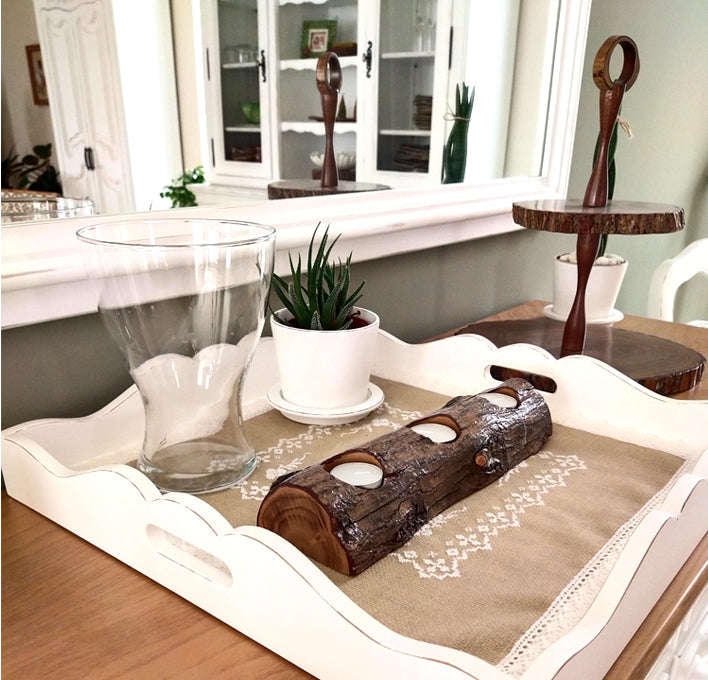
  • Centerpiece: Potted plants or succulents.
  • Tableware: Ceramic plates with rustic designs.
  • Extras: Wooden serving platters and linen napkins tied with twine.

4. Kids-Friendly Decor

  • Color Scheme: Bright and cheerful colors like yellow and blue.
  • Centerpiece: Lanterns painted by kids or a candy-filled jar.
  • Tableware: Fun, colorful plates and cups.
  • Extras: Ramadan-themed activity sheets or small toys as favors.


DIY Ramadan Table Decorations

For those who enjoy crafting, DIY projects are a great way to personalize your Ramadan table. Here are some ideas:

1. Handmade Lanterns

  • Materials Needed: Mason jars, glass paint, and tea light candles.
  • Steps: Paint Islamic patterns on the jars, place tea lights inside, and arrange them along the table.

2. Paper Crescent and Star Garland

  • Materials Needed: Colored paper, scissors, and string.
  • Steps: Cut out crescent and star shapes, string them together, and hang them above the table.

3. Custom Napkin Rings

  • Materials Needed: Cardboard rolls, fabric, and glue.
  • Steps: Wrap fabric around cardboard rolls and secure with glue to create unique napkin rings.


Practical Tips for Setting Up the Table

  • Plan Ahead: Decide on your theme and gather materials a few days in advance.
  • Keep It Balanced: Avoid overcrowding the table; leave space for food and drinks.
  • Use Layers: Layering tablecloths, runners, and placemats adds depth to your decoration.
  • Mind the Heights: Vary the height of decorations for visual interest, but ensure they don’t obstruct the view across the table.
  • Focus on Functionality: While aesthetics are important, ensure the table is comfortable and practical for dining.


Conclusion

A beautifully decorated Ramadan table elevates the Iftar experience, fostering a sense of joy, gratitude, and togetherness. Whether you prefer a traditional, modern, or DIY approach, the key is to reflect the spirit of Ramadan in your decor. By incorporating thoughtful elements and paying attention to details, you can create a memorable setting that enhances the meaning of this blessed month.

Decorating your Ramadan table is not just about aesthetics—it’s about creating an atmosphere of warmth and connection. So, let your creativity shine and make this Ramadan an unforgettable celebration for you and your loved ones.


Business

Collaborating with MEP Design Consultants for Seamless ConstructionCollaborating with MEP Design Consultants for Seamless Construction

In the modern era of construction and infrastructure development, the role of MEP (Mechanical, Electrical, and Plumbing) design consultants has become increasingly vital. These experts are at the heart of creating functional, efficient, and sustainable buildings, ensuring that all internal systems work harmoniously. From skyscrapers to industrial complexes and residential homes, MEP consultants are the unsung heroes of engineering precision and innovative design.

What Are MEP Design Consultants?

MEP design consultants are specialized professionals who focus on the mechanical, electrical, and plumbing systems of a building. Their expertise covers a wide range of services, including:

  • Mechanical Systems: Heating, ventilation, and air conditioning (HVAC), energy-efficient systems, and indoor climate control.
  • Electrical Systems: Lighting design, power distribution, fire alarm systems, and renewable energy integration.
  • Plumbing Systems: Water supply, drainage, sewage systems, and fire suppression systems.

These systems form the backbone of any structure, making the consultants’ work indispensable for functionality, safety, and sustainability.


Key Responsibilities of MEP Design Consultants

1. System Integration

One of the primary roles of MEP design consultants is to ensure that mechanical, electrical, and plumbing systems are seamlessly integrated. They collaborate with architects, civil engineers, and other stakeholders to align their designs with the building's overall framework. This coordination reduces conflicts during construction and ensures the building operates efficiently.

2. Energy Efficiency

In an age where sustainability is paramount, MEP consultants are at the forefront of designing energy-efficient systems. They focus on incorporating green technologies such as solar panels, energy-efficient HVAC systems, and smart lighting solutions. Their designs not only reduce the environmental footprint but also lower operational costs for building owners.

3. Compliance with Regulations

Every construction project must adhere to local building codes and regulations. MEP consultants ensure that their designs meet these standards, particularly in areas like fire safety, electrical wiring, and water management. Their expertise prevents costly delays or fines due to non-compliance.

4. Cost Optimization

MEP consultants are skilled in value engineering—identifying the most cost-effective ways to achieve a project’s goals without compromising quality. They analyze material choices, system designs, and labor requirements to provide solutions that maximize value for money.

5. Technology Integration

Modern buildings are becoming smarter, with integrated IoT devices, automated systems, and advanced energy management solutions. MEP consultants are crucial in implementing these technologies, ensuring they function flawlessly within the building's infrastructure.


The Importance of mep design consultants in Construction

Enhancing Comfort and Safety

Imagine a building with inadequate ventilation, erratic lighting, or insufficient water pressure—such issues can render even the most aesthetically pleasing structure uninhabitable. MEP consultants ensure that buildings provide optimal comfort and safety for occupants, addressing everything from temperature control to fire safety systems.

Promoting Sustainability

With climate change concerns escalating, sustainable building practices have become a priority. MEP consultants integrate renewable energy sources, optimize resource consumption, and reduce waste through innovative designs. These practices contribute significantly to achieving green building certifications like LEED (Leadership in Energy and Environmental Design).

Streamlining Construction Processes

By resolving design conflicts before construction begins, MEP consultants help streamline the building process. They use advanced tools like Building Information Modeling (BIM) to visualize and test their designs in a virtual environment, identifying potential issues early and saving time during execution.

Adding Long-Term Value

A well-designed MEP system adds long-term value to a property. Efficient systems reduce maintenance costs, improve energy performance, and extend the building’s lifespan. This is particularly important for commercial properties, where operational efficiency directly impacts profitability.


Challenges Faced by MEP Design Consultants

Complex Coordination

Coordinating with multiple stakeholders in a project can be challenging. MEP consultants must align their designs with architects, structural engineers, and contractors, often under tight deadlines.

Rapid Technological Advancements

The construction industry is evolving rapidly, with new materials, systems, and technologies emerging regularly. Staying updated and integrating these advancements into designs requires continuous learning and adaptation.

Balancing Costs and Quality

Clients often demand the best systems at the lowest costs. Striking a balance between affordability and quality without compromising performance is a constant challenge for MEP consultants.

Regulatory Changes

Building codes and regulations frequently change, requiring consultants to stay vigilant and ensure their designs comply with the latest standards.


Future Trends in MEP Design

Smart Building Technologies

As smart buildings become the norm, MEP consultants will play a pivotal role in integrating IoT-enabled systems for energy management, security, and automation. From smart thermostats to advanced lighting controls, these technologies will redefine how buildings operate.

Net-Zero Energy Buildings

The push toward net-zero energy buildings—structures that generate as much energy as they consume—will drive innovation in MEP design. Consultants will focus on renewable energy sources, energy storage solutions, and ultra-efficient systems to meet these goals.

Advanced Modeling and Simulation

The adoption of advanced modeling tools like BIM and Computational Fluid Dynamics (CFD) will continue to grow. These technologies allow MEP consultants to simulate real-world scenarios, optimize designs, and predict system performance with greater accuracy.

Focus on Resilience

With increasing environmental risks, the emphasis on designing resilient systems that can withstand natural disasters and other emergencies will grow. MEP consultants will need to incorporate features like flood-resistant plumbing and redundant power systems.


Selecting the Right MEP Design Consultant

When choosing an MEP design consultant for a project, consider the following factors:

  • Experience and Expertise: Look for consultants with a proven track record in projects similar to yours.
  • Technological Capabilities: Ensure they use modern tools and methodologies like BIM.
  • Sustainability Focus: Prioritize consultants who emphasize energy efficiency and green building practices.
  • Client References: Check reviews and references to gauge their reliability and professionalism.


Conclusion

MEP design consultants are the architects of a building’s functionality, ensuring that all systems work in harmony to provide comfort, safety, and sustainability. Their expertise bridges the gap between design and practicality, transforming architectural visions into fully operational structures. As technology advances and sustainability becomes a global priority, the role of MEP consultants will only grow in significance. For anyone involved in construction or infrastructure development, partnering with skilled MEP consultants is not just a choice—it’s a necessity for success.


Business

Affordable and Durable Flanges: Leading Supplier in DubaiAffordable and Durable Flanges: Leading Supplier in Dubai

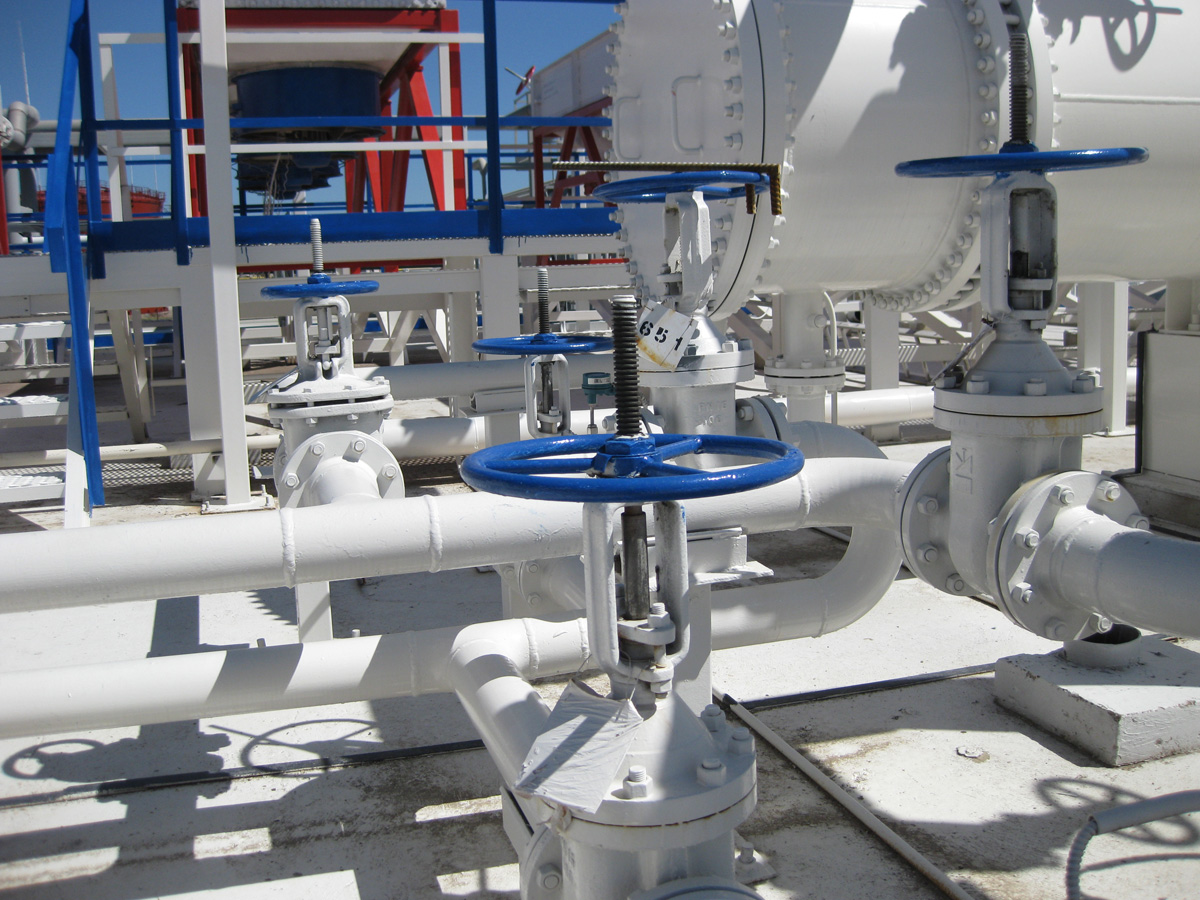
Dubai has emerged as a global hub for industrial and construction projects, making it a prime destination for businesses seeking high-quality materials and components. Among the most essential components in various industries, flanges play a crucial role in connecting pipes, valves, and equipment. Selecting the right Flange supplier in dubai  can significantly impact project efficiency and long-term performance. This comprehensive guide will help you understand everything you need to know about flanges, their applications, and how to find the ideal supplier in Dubai.


What Are Flanges?

Flanges are mechanical devices used to connect pipes, valves, pumps, and other equipment to form a secure pipeline system. They are essential for industries like oil and gas, chemical processing, construction, and power generation. Flanges allow for easy assembly, disassembly, and maintenance of pipeline systems, ensuring operational safety and efficiency.


Types of Flanges

Flanges come in various designs and materials, catering to specific industrial needs. Below are the most common types:

1. Weld Neck Flanges

  • Features: Long tapered necks for stress distribution.
  • Applications: High-pressure systems and pipelines handling hazardous materials.

2. Slip-On Flanges

  • Features: Easy installation by sliding over the pipe.
  • Applications: Low-pressure and low-temperature systems.

3. Blind Flanges

  • Features: No bore; used to close pipeline ends.
  • Applications: Inspection and maintenance tasks.

4. Threaded Flanges

  • Features: Internal threading for easy connection without welding.
  • Applications: Low-pressure applications with small pipe sizes.

5. Socket Weld Flanges

  • Features: Internal recess for welding pipes in place.
  • Applications: Small-diameter pipelines in high-pressure systems.

6. Lap Joint Flanges

  • Features: Two-piece design for easy alignment.
  • Applications: Systems requiring frequent dismantling.


Materials Used in Flanges

Selecting the appropriate flange material is crucial for ensuring compatibility with the operating environment. Common materials include:

  1. Carbon Steel
    • Affordable and strong.
    • Suitable for low to medium-pressure systems.
  2. Stainless Steel
    • Corrosion-resistant and durable.
    • Ideal for chemical and food industries.
  3. Alloy Steel
    • High strength and heat resistance.
    • Used in high-temperature applications.
  4. Aluminum and Nickel Alloys
    • Lightweight and corrosion-resistant.
    • Common in marine and aerospace industries.


Industries Relying on Flanges in Dubai

Dubai’s thriving economy supports various industries that heavily rely on flanges, including:

  • Oil and Gas: For secure connections in high-pressure pipelines.
  • Construction: To ensure safety and efficiency in HVAC and plumbing systems.
  • Power Generation: For reliable connections in steam and gas turbines.
  • Water Treatment: To create leak-proof systems for potable and waste water.
  • Petrochemicals: In processes involving aggressive chemicals and high temperatures.


How to Choose the Best Flange Supplier in Dubai

Dubai offers numerous flange suppliers, but selecting the right one requires careful consideration of several factors.

1. Product Range

A reputable supplier should offer a wide variety of flanges in different materials, sizes, and pressure ratings to meet diverse project requirements.

2. Quality Standards

Ensure the supplier adheres to international standards like ANSI, ASME, DIN, and ISO. High-quality products reduce risks of leaks, corrosion, and failure.

3. Customization Options

Some projects may require custom-made flanges to meet specific design or performance needs. Look for suppliers offering customization services.

4. Timely Delivery

In Dubai’s fast-paced industrial landscape, timely delivery is crucial. Partner with suppliers known for reliable inventory and swift logistics.

5. Competitive Pricing

Compare prices among various suppliers, but avoid compromising on quality to save costs. A balance between affordability and durability is key.

6. Technical Support and After-Sales Services

Choose suppliers who offer technical advice and comprehensive after-sales support to ensure seamless project execution.

7. Reputation and Reviews

Research online reviews, testimonials, and case studies to gauge the supplier’s reputation and reliability.


Leading Flange Suppliers in Dubai

Dubai is home to several trusted suppliers catering to local and international clients. Here are some renowned names:

1. Al Faris Flanges & Fittings

  • Specializes in high-grade carbon and stainless steel flanges.
  • Known for customization capabilities.

2. Metalix LLC

  • Offers a wide range of flanges adhering to international standards.
  • Excellent customer service and quick delivery times.

3. Petro Gas Piping

  • Focused on oil and gas applications.
  • Supplies corrosion-resistant flanges for harsh environments.

4. Dynamic Forge & Fittings

  • Provides flanges in exotic materials like Inconel and Monel.
  • Trusted for high-pressure applications.


Benefits of Partnering with a Reliable Supplier

Working with a reputable flange supplier in Dubai ensures:

  • Enhanced Project Efficiency: High-quality flanges minimize downtime and operational risks.
  • Cost Savings: Durable components reduce maintenance and replacement costs.
  • Compliance with Regulations: Adherence to international standards ensures legal and safety compliance.
  • Improved Longevity: High-grade materials resist corrosion and wear, extending the lifespan of pipeline systems.


The Future of the Flange Market in Dubai

As Dubai continues to grow as an industrial and economic powerhouse, the demand for flanges is set to rise. Emerging trends like green building initiatives, advanced manufacturing technologies, and automation in the oil and gas sector are shaping the future of the flange market. Suppliers investing in sustainable practices and innovative solutions will lead the industry.


Conclusion

Choosing the right flange supplier in Dubai is a critical step for ensuring the success of your projects. By understanding flange types, materials, and industry applications, you can make informed decisions and select a supplier that aligns with your specific needs. Dubai’s thriving industrial sector offers a plethora of options, but thorough research and consideration will help you find a partner capable of delivering quality, reliability, and value.

Whether you’re in oil and gas, construction, or manufacturing, investing in high-quality flanges and working with a trusted supplier will ensure operational excellence and long-term benefits.


Business

Linkoversigt: Understanding the Importance of Link Directories in Digital NavigationLinkoversigt: Understanding the Importance of Link Directories in Digital Navigation

In the age of digital transformation, the management and organization of online resources have become more crucial than ever. One concept that continues to gain attention is "Linkoversigt" – a term that refers to link directories or link overviews. In essence, a linkoversigt is a structured index of URLs that categorizes and organizes websites, resources, and links for easy access and navigation. This article delves into the significance of linkoversigter, how they contribute to user experience, and their evolving role in the digital landscape.

What is Linkoversigt?

At its core, a linkoversigt is a directory or list of links. The term "Linkoversigt" comes from Danish, where "link" refers to hyperlinks and "oversigt" translates to overview or directory. In practical terms, a linkoversigt serves as a curated list of hyperlinks that lead users to different sections of the internet. These links are typically organized into categories based on themes, industries, or topics, making it easier for users to locate relevant resources.

Linkoversigter can be found in various formats, ranging from simple lists to more interactive, sophisticated platforms. Whether it's a business resource page, an academic reference database, or an online bookmarking tool, a linkoversigt essentially consolidates resources for faster navigation and access.

The Role of Linkoversigt in Digital Navigation

Linkoversigter play an important role in organizing the chaotic vastness of the internet. As the web grows larger and more complex, users often find themselves overwhelmed with an abundance of content, making it difficult to find relevant information. This is where link directories come into play.

1. Simplifying User Experience

The primary function of a linkoversigt is to simplify the user experience by providing a centralized place to find useful and relevant links. This is particularly valuable for users who need to access specific types of information, such as resources for research, news articles, or specific services.

For example, consider a digital marketing company that compiles a linkoversigt for SEO tools, social media platforms, and analytics resources. Instead of a user having to search across multiple websites and platforms to find these resources, they can visit the linkoversigt and easily access everything in one place.

2. Improving Searchability

Linkoversigter also enhance the searchability of online content. By categorizing and indexing URLs, these directories ensure that relevant websites are easily discoverable. Many modern linkoversigter utilize search functionality, allowing users to search for specific topics within the curated list of links.

Moreover, linkoversigter help improve SEO (Search Engine Optimization). When webmasters create link directories for their niche or industry, they are essentially building a repository of categorized links that are easily accessible to search engines. These directories become important resources for those looking to discover new content and businesses within a particular industry.

3. Curated Content for Targeted Audiences

A well-maintained linkoversigt ensures that the links included are relevant, up-to-date, and tailored to a specific audience. For example, a tech blog may create a linkoversigt dedicated to programming tutorials, development tools, and tech news sites. The goal is to provide a highly targeted and useful set of resources for users interested in tech.

In this regard, linkoversigter can offer specialized directories for niche topics, something that is often challenging to find via a basic search engine query. Whether it's links to resources about sustainable living, mental health services, or job listings for a specific field, linkoversigter create focused, user-centric environments that enhance browsing efficiency.

How Linkoversigter Evolve with Web Development

As web development continues to evolve, so too do the features and functionalities of linkoversigter. With advancements in technology, link directories have become more dynamic, incorporating user interaction, customization options, and even social elements.

1. Interactive Features

Modern linkoversigter are far more than static lists. Many have embraced interactive features such as rating systems, commenting options, and user-generated content. For example, users may be able to vote for their favorite websites in a given category or leave reviews of certain resources. These features enhance user engagement and make the linkoversigt more dynamic and community-driven.

In addition, some linkoversigter are now integrated with social media platforms, enabling users to share links or access resources based on shared interests. This integration allows for greater personalization and interaction, bridging the gap between a traditional directory and the interactive web.

2. Customizable Directories

As the concept of linkoversigt grows, many platforms are allowing users to customize their own directories. For instance, content management systems (CMS) like WordPress or Joomla have plugins that allow site owners to create their own linkoversigter. These directories can be tailored to meet the needs of a particular audience, allowing businesses, bloggers, and educational platforms to curate links that are directly relevant to their users.

This customization allows for highly specialized linkoversigter, such as one dedicated to nonprofit resources, environmental organizations, or government services, all of which would be useful for a particular set of individuals or organizations.

3. Mobile and App Integration

With the increasing reliance on mobile devices, linkoversigter have also adapted to accommodate mobile users. Many linkoversigter are now available as apps, allowing users to browse curated links on their smartphones and tablets. This mobile-friendly approach ensures that users can access important resources while on the go.

Moreover, the use of QR codes and location-based services has also integrated with Linkoversigt er, making it possible to easily share directories and resources through mobile technology.

Benefits of Using Linkoversigt for Businesses and Users

1. Building Trust and Credibility

For businesses, being listed in a reputable linkoversigt can significantly enhance visibility and credibility. If a website is included in a well-curated directory, it signals to potential customers or users that it is a trusted resource within its niche. This is especially important in highly competitive industries, where gaining exposure can be a challenge.

2. Cost-Effective Marketing

For small businesses or startups, linkoversigter offer a cost-effective method of gaining exposure. Many directories allow businesses to submit their links for free or at a low cost, providing an excellent alternative to more expensive forms of advertising.

3. Resource Discovery for Users

For users, linkoversigter provide an invaluable resource for discovering new websites, tools, or articles that they may have otherwise missed. Whether they are looking for educational materials, local services, or specific industry insights, linkoversigter offer a reliable place to start.

Best Practices for Creating a Linkoversigt

If you are considering creating a linkoversigt for your business or niche, there are several best practices to keep in mind:

  1. Organization and Categorization: Ensure that the links are properly categorized to make navigation as easy as possible. Group links based on themes, industries, or topics to facilitate quick searches.
  2. Keep Content Up-to-Date: A linkoversigt only remains useful if it is regularly updated. Remove outdated links and add new resources to ensure that the directory remains relevant and helpful.
  3. User-Friendly Design: Prioritize a clean, easy-to-use design. Avoid clutter and make it simple for users to find what they are looking for.
  4. Provide Descriptions: Along with each link, include a short description of what the user can expect to find. This provides clarity and helps users determine whether the link is worth clicking.

Conclusion

Linkoversigter serve as an essential tool for organizing and navigating the vast landscape of online resources. By offering categorized lists of relevant links, they simplify the user experience, improve content discoverability, and facilitate resource sharing. For businesses, these directories provide an opportunity to build credibility and enhance visibility, while for users, they offer a curated, efficient way to access valuable information.

As the digital space continues to evolve, linkoversigter are also evolving, integrating more interactive features and customization options. They remain an integral part of the internet ecosystem, bridging the gap between users and the wealth of knowledge available online.


Digital Marketing