When homeowners start planning a renovation project, one of the first tools they often use is a Window cost calculator. This helpful tool gives an estimate of how much a window replacement or installation project may cost.
However, many people are surprised when the final quote from a contractor is different from the number shown by a Window cost calculator.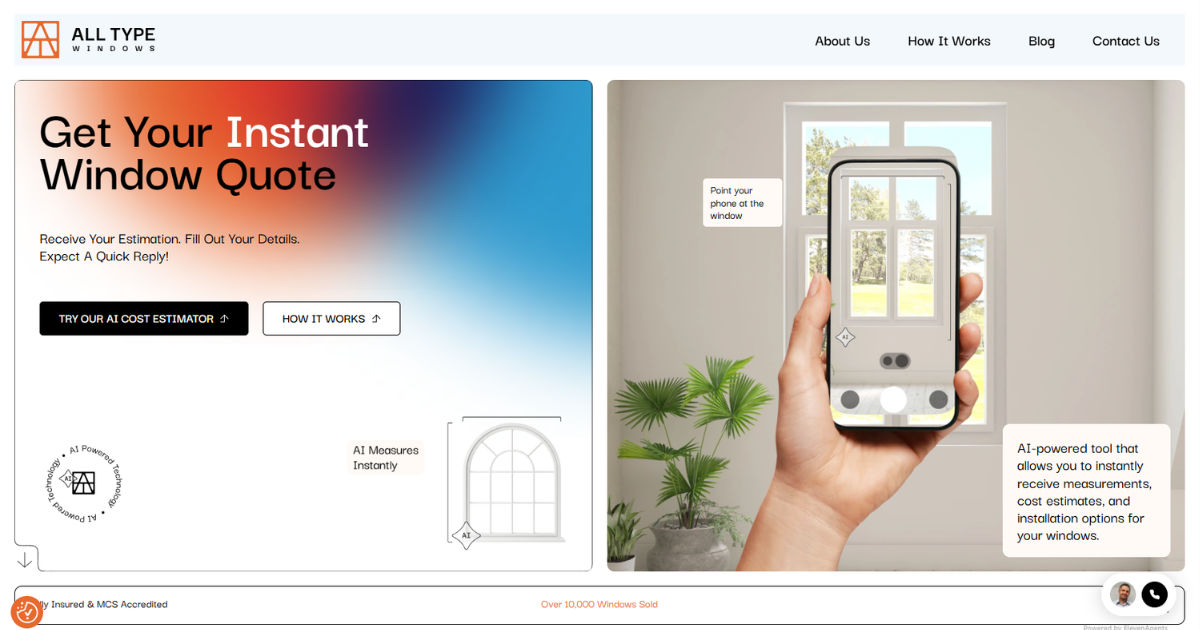
The reason is simple. Many factors influence the final results. Window size, material, labor costs, glass type, energy efficiency, and installation complexity all affect pricing. A Window cost calculator works by combining different details to create an estimate, but the accuracy depends on the information entered.
Understanding what changes these results can help homeowners budget better and avoid unexpected expenses. In this guide, you will learn the main factors that affect estimates, how calculators work, and how to get more accurate pricing for your next project.
How a Window Cost Calculator Works
A Window cost calculator is designed to estimate the price of window installation or replacement projects. It collects information from users and uses pricing formulas to produce an estimated total.
Most calculators ask for details such as:
- Number of windows
- Window dimensions
- Frame material
- Glass type
- Installation method
- Labor requirements
- Home location
The calculator combines these details with average market prices. Some advanced tools also include regional labor costs and energy-efficiency upgrades.
Although the estimate may not match the exact contractor quote, it provides a useful starting point for homeowners.
Why Window Size Has a Major Impact
One of the biggest factors affecting Window cost calculator results is window size. Larger windows require more materials, more labor, and often stronger support structures.
Small Windows
Small windows are usually less expensive because they use less glass and framing material. Installation is often faster and easier.
Examples include:
- Bathroom windows
- Basement windows
- Small kitchen windows
Large Windows
Large windows significantly increase costs. They require:
- More glass
- Stronger frames
- Additional support
- More labor
Picture windows and floor-to-ceiling designs are common examples that increase estimates in a Window cost calculator.
Custom Sizes
Standard window sizes are cheaper because manufacturers produce them in bulk. Custom windows cost more due to special production requirements.
If a homeowner enters custom dimensions into a Window cost calculator, the estimated price usually increases quickly.
The Role of Window Material in Pricing
The material used for window frames strongly affects calculator results.
Vinyl Windows
Vinyl windows are among the most affordable options. They are popular because they are:
- Low maintenance
- Energy efficient
- Budget friendly
A Window cost calculator often gives lower estimates when vinyl is selected.
Wood Windows
Wood windows are attractive and provide a classic appearance. However, they cost more because of:
- Higher material prices
- Regular maintenance
- Professional finishing
Wood options usually increase Window cost calculator estimates.
Aluminum Windows
Aluminum frames are strong and modern-looking. They are commonly used in commercial buildings and modern homes.
Their cost is often moderate, depending on design and thermal performance.
Fiberglass Windows
Fiberglass is durable and energy efficient. It resists warping and weather damage.
Because it is considered a premium material, fiberglass raises the total shown in a Window cost calculator.
Glass Type and Energy Efficiency
Glass selection is another major pricing factor.
Single-Pane Glass
Single-pane windows are cheaper but less energy efficient. They are not common in modern homes because they provide poor insulation.
A Window cost calculator may show lower upfront costs with single-pane glass, but long-term energy bills can be higher.
Double-Pane Glass
Double-pane windows are the industry standard. They include two layers of glass with insulating gas between them.
Benefits include:
- Better insulation
- Reduced energy costs
- Improved comfort
Most Window cost calculator estimates are based on double-pane designs.
Triple-Pane Glass
Triple-pane windows provide excellent insulation and noise reduction.
However, they are significantly more expensive due to:
- Extra materials
- Increased weight
- Complex manufacturing
Adding triple-pane glass in a Window cost calculator can raise estimates considerably.
Low-E Glass Coatings
Low-emissivity coatings help reflect heat and improve efficiency.
These coatings increase window prices but can reduce energy bills over time.
Labor Costs and Installation Complexity
Labor is one of the largest variables affecting Window cost calculator results.
Simple Installations
Simple projects usually involve:
- Standard window sizes
- Easy access
- Minimal structural changes
These projects keep labor costs lower.
Difficult Installations
Complex installations may include:
- Upper-floor windows
- Structural repairs
- Water damage correction
- Large custom designs
The more difficult the installation, the higher the labor estimate.
Local Labor Rates
Labor costs vary by region. Urban areas often have higher contractor rates than rural areas.
A Window cost calculator that includes regional pricing usually gives more accurate results.
Window Style and Design Choices
Different window styles affect pricing in different ways.
Single-Hung Windows
Single-hung windows are simple and affordable. Only one sash moves, which reduces manufacturing costs.
Double-Hung Windows
Double-hung windows are more flexible because both sashes move.
They usually cost more than single-hung models.
Casement Windows
Casement windows open outward using a crank mechanism.
They offer strong ventilation and energy efficiency but cost more due to mechanical hardware.
Sliding Windows
Sliding windows are common in modern homes. Pricing varies depending on size and frame material.
Bay and Bow Windows
Bay and bow windows are among the most expensive styles.
They increase Window cost calculator estimates because they require:
- Complex framing
- Additional materials
- More labor
Energy Efficiency Ratings
Energy-efficient windows often cost more upfront but save money over time.
ENERGY STAR Certification
ENERGY STAR-certified windows meet strict efficiency standards.
These products may increase Window cost calculator results initially, but they help reduce heating and cooling expenses.
Insulation Performance
Better insulation often means:
- Higher-quality materials
- Specialized coatings
- Advanced construction
All these features affect final estimates.
Geographic Location Matters
Location has a major effect on costs.
Climate Conditions
Homes in colder climates may require:
- Triple-pane glass
- Better insulation
- Weather-resistant materials
These upgrades increase Window cost calculator estimates.
Building Codes
Different regions have different regulations.
Some areas require:
- Hurricane-resistant windows
- Impact glass
- Special installation methods
These legal requirements can increase costs significantly.
Shipping and Availability
Some materials are harder to obtain in certain areas. Shipping costs and limited availability also affect pricing.
The Importance of Accurate Measurements
Incorrect measurements can lead to inaccurate estimates.
Measuring Width and Height
Even small measurement mistakes can change the total shown in a Window cost calculator.
Professional measurements provide better accuracy.
Frame Depth
Frame depth affects installation requirements and compatibility.
Existing Structural Conditions
Old homes may have uneven openings or hidden damage. These issues can increase actual costs beyond calculator estimates.
Additional Features That Affect Costs
Extra features can quickly raise window prices.
Decorative Grids
Decorative grids improve appearance but increase manufacturing complexity.
Tinted Glass
Tinted glass reduces glare and heat.
It usually costs more than standard glass options.
Noise Reduction Features
Special soundproofing glass increases both comfort and price.
Smart Windows
Modern smart windows can adjust tint automatically or connect to home systems.
These premium features greatly affect Window cost calculator results.
Replacement Windows vs New Construction Windows
The type of project matters.
Replacement Windows
Replacement windows fit into existing openings.
These projects are usually cheaper because they require less structural work.
New Construction Windows
New construction projects involve:
- Creating openings
- Structural framing
- Exterior finishing
These projects often produce higher estimates in a Window cost calculator.
Seasonal Demand and Pricing Changes
Window installation prices can change during the year.
Busy Seasons
Spring and summer are peak renovation seasons.
Contractor demand increases, which may raise labor prices.
Off-Season Discounts
Some contractors offer discounts during slower seasons like winter.
A Window cost calculator may not always reflect seasonal price differences.
Contractor Experience and Reputation
The contractor chosen can affect final pricing.
Experienced Contractors
Highly skilled installers often charge more because they provide:
- Better workmanship
- Faster installation
- Reliable warranties
Lower-Cost Installers
Cheaper labor may reduce initial costs but increase the risk of future repairs.
A Window cost calculator may not account for quality differences between contractors.
Removal and Disposal Costs
Old window removal is another expense many homeowners overlook.
Disposal Fees
Contractors may charge for disposing of old materials.
Hazardous Materials
Older homes may contain hazardous substances like lead paint, increasing labor and safety costs.
These expenses can affect final pricing beyond what a Window cost calculator initially shows.
Home Age and Structural Issues
Older homes often require additional work.
Water Damage
Rotting wood or moisture damage around windows must be repaired before installation.
Structural Repairs
Uneven walls and damaged framing increase labor time.
Historical Homes
Historic properties may require custom designs or special permits, increasing costs.
Warranty Coverage and Long-Term Value
Warranty options also affect pricing.
Manufacturer Warranty
Premium manufacturers may include longer warranties, increasing product costs.
Installation Warranty
Professional contractors sometimes provide labor warranties.
These services can raise estimates in a Window cost calculator but offer long-term protection.
Customization and Personal Preferences
Customization is one of the fastest ways to increase costs.
Unique Shapes
Arched, circular, or triangular windows require specialized manufacturing.
Premium Finishes
Luxury finishes increase both material and labor costs.
Interior and Exterior Colors
Two-tone color designs are usually more expensive than standard finishes.
Technology Used in Modern Window Manufacturing
Modern technology affects pricing and quality.
Automated Manufacturing
Advanced production systems improve precision but may increase costs for premium products.
Energy-Saving Innovations
New insulation technologies often raise initial prices while reducing energy bills over time.
Smart Home Integration
Windows connected to smart home systems are becoming more popular.
These features can dramatically affect Window cost calculator estimates.
Why Online Estimates May Differ from Contractor Quotes
Many homeowners wonder why contractor quotes differ from calculator estimates.
Hidden Structural Problems
Online tools cannot inspect homes physically.
Labor Variations
Contractor experience and local rates vary widely.
Product Availability
Prices change depending on supply chain conditions.
Permit Costs
Some calculators do not include permit fees or inspection requirements.
Tips for Getting More Accurate Calculator Results
Homeowners can improve estimate accuracy by following a few simple steps.
Use Exact Measurements
Measure carefully before entering dimensions.
Choose Realistic Materials
Avoid selecting luxury features unless they are truly needed.
Research Local Prices
Compare contractor rates in your area.
Include All Features
Do not forget upgrades like:
- Low-E coatings
- Decorative grids
- Soundproofing
Get Multiple Quotes
Compare estimates from several contractors alongside the Window cost calculator results.
The Financial Benefits of Energy-Efficient Windows
Although efficient windows cost more initially, they can save money long term.
Lower Utility Bills
Better insulation reduces heating and cooling costs.
Increased Home Value
Modern windows improve resale appeal.
Reduced Maintenance
High-quality materials last longer and require fewer repairs.
Common Mistakes When Using a Window Cost Calculator
Many homeowners accidentally create inaccurate estimates.
Guessing Measurements
Approximate dimensions often lead to misleading results.
Ignoring Installation Complexity
Upper-floor installations cost more.
Forgetting Permit Fees
Permits can add significant expenses.
Overlooking Material Differences
Premium materials greatly increase costs.
How Inflation and Market Trends Affect Window Prices
Economic conditions also impact estimates.
Material Cost Increases
Glass, aluminum, and wood prices can rise over time.
Labor Shortages
Limited skilled labor can increase installation rates.
Supply Chain Delays
Shipping problems may raise costs and extend project timelines.
A Window cost calculator may not always reflect sudden market changes immediately.
Comparing Budget and Premium Window Options
Budget and premium windows differ in several ways.
Budget Windows
Budget windows usually provide:
- Basic functionality
- Lower upfront costs
- Standard warranties
Premium Windows
Premium windows often include:
- Better insulation
- Advanced coatings
- Stronger warranties
- Improved durability
Selecting premium products increases Window cost calculator results but may provide better long-term value.
Environmental Factors and Sustainability
Eco-friendly materials and manufacturing practices also affect pricing.
Recyclable Materials
Some windows use sustainable materials, increasing production costs.
Energy Conservation
Efficient windows help reduce environmental impact.
Green Certifications
Certified eco-friendly products may cost more initially.
The Importance of Professional Consultation
While a Window cost calculator is useful, professional advice remains important.
Experts can identify:
- Structural issues
- Installation challenges
- Energy-efficiency opportunities
They also provide personalized recommendations based on the home’s condition and climate.
Conclusion
A Window cost calculator is a valuable tool for homeowners planning a renovation or replacement project. It provides quick estimates and helps people understand potential expenses before speaking with contractors. However, the final price depends on many factors beyond the basic information entered into the calculator.
Window size, frame material, glass type, labor costs, installation complexity, energy efficiency, regional pricing, and customization all influence the final estimate. Even seasonal demand and market conditions can change the results shown by a Window cost calculator.
Understanding these factors allows homeowners to make smarter decisions and create more accurate budgets. It also helps prevent surprises during installation projects. While calculators are excellent starting points, professional inspections and contractor quotes remain essential for precise pricing.
Choosing the right windows is not only about appearance. It also affects comfort, energy savings, property value, and long-term maintenance costs. By carefully considering all the elements discussed in this guide, homeowners can use a Window cost calculator more effectively and plan successful window installation projects with confidence.