
When it comes to paving your driveway or parking lot, knowing when it’s safe to park your vehicle after the work is completed is crucial.
Many homeowners and business owners make the mistake of using the freshly paved area too soon, which can result in cracks, indentations, or uneven surfaces.
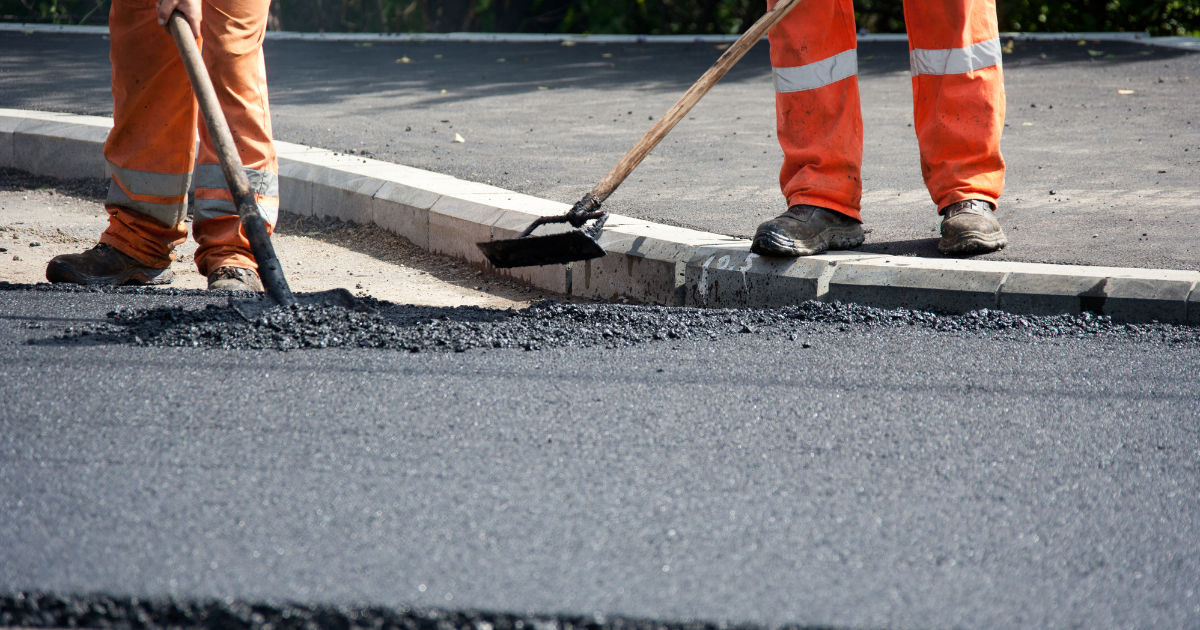
Hiring a professional paving contractor Connecticut can ensure high-quality paving, but even with expert installation, patience is key to maintaining your new surface.
Timing matters because paving materials, especially asphalt and concrete, need time to cure and settle properly.
Understanding the curing process and the factors that influence it can save you from costly repairs and extend the life of your paved surface.
In this guide, we’ll break down how long to wait before parking after paving, the factors affecting curing time, and tips to protect your investment.
Understanding Paving Materials
Different paving materials require different curing times. The two most common materials for driveways and parking lots are asphalt and concrete. Each has unique characteristics that determine how long you should wait before using the surface.
Asphalt
Asphalt is a popular choice for driveways due to its durability and cost-effectiveness. After paving, asphalt requires a curing period to harden and achieve maximum strength. Generally, new asphalt can handle foot traffic almost immediately after installation, but vehicles should wait.
Typically, you should wait at least 24 to 48 hours before parking a light vehicle on a new asphalt driveway. For heavier vehicles, it’s recommended to wait 72 hours or more. The reason is that asphalt remains soft for the first few days and can deform under weight, causing ruts or depressions.
Concrete
Concrete, another common paving material, has a longer curing process compared to asphalt. It gains strength gradually over time, and rushing to use it can compromise its integrity.
Concrete surfaces are usually ready for light foot traffic within 24 to 48 hours. However, you should wait at least 7 days before parking a vehicle and ideally 28 days for heavy trucks or frequent use. This is because concrete reaches only about 70% of its full strength in the first week, and full curing takes nearly a month.
Factors Affecting Curing Time
Several factors influence how long you should wait before parking on a freshly paved surface. Understanding these factors can help you make informed decisions and avoid damage.
Temperature and Weather
Temperature plays a significant role in curing. Hot weather can speed up the process, while cold temperatures slow it down. Asphalt, for example, cures faster in warm conditions, but extreme heat can make it too soft temporarily.
Rain and humidity can also affect the curing process. Wet conditions may prevent proper bonding, leading to a weaker surface. Your paving contractor Connecticut can advise on the best timing based on local weather conditions.
Thickness of the Pavement
The thickness of the asphalt or concrete layer affects curing time. Thicker layers take longer to harden, while thinner layers cure faster. When planning a paving project, it’s important to follow the recommended thickness for your driveway or parking lot to ensure proper strength.
Traffic Load
The type and weight of vehicles using the paved surface matter. Heavy trucks or frequent traffic can damage the pavement if it hasn’t fully cured. Light cars may be safe after 24 to 48 hours, but commercial vehicles should wait longer.
Material Quality
High-quality materials cure more predictably and resist early damage. Choosing a reputable paving contractor Connecticut ensures you get quality asphalt or concrete mixed correctly for your project, reducing the risk of premature wear.
Signs Your Pavement is Ready
Even with recommended waiting times, checking your pavement before parking is a smart idea. Here are some signs that your newly paved surface is ready for use:
-
The surface feels firm underfoot.
-
There are no soft spots or indentations.
-
Asphalt or concrete has cooled and hardened completely.
-
There is no visible water pooling on the surface.
If any of these signs are missing, it’s best to wait a little longer before using the driveway or parking lot.
Tips for Protecting Your New Pavement
Taking a few precautions after paving can help maintain the surface and prolong its lifespan.
Avoid Early Traffic
The most important tip is to resist using the pavement too soon. Inform family members or employees to avoid parking until the recommended curing time has passed.
Use Barriers
Physical barriers, like cones or temporary fencing, can prevent accidental use. This is especially useful for commercial properties or high-traffic areas.
Seal Coating
For asphalt driveways, applying a seal coat after a few months can protect the surface from weather, oil stains, and wear. This does not replace curing but enhances longevity.
Regular Maintenance
Regular cleaning, minor crack repair, and inspection can prevent small issues from turning into major problems. Proper maintenance ensures your new pavement remains smooth and durable.
Hiring a Professional Paving Contractor Connecticut
Choosing the right paving contractor is critical for a successful project. A skilled professional not only installs your driveway or parking lot correctly but also advises on curing times and maintenance practices.
A reputable paving contractor Connecticut will:
-
Assess the soil and site conditions.
-
Recommend the best material for your needs.
-
Ensure proper installation and compaction.
-
Provide guidance on how long to wait before parking.
Investing in an experienced contractor minimizes the risk of mistakes and maximizes the lifespan of your pavement.
Common Mistakes to Avoid
Many property owners make avoidable mistakes that damage new pavement. Understanding these pitfalls can help you protect your investment.
Parking Too Soon
The most common mistake is ignoring the recommended waiting period. Early vehicle use can cause cracks, depressions, or uneven surfaces.
Overloading the Pavement
Parking heavy trucks or equipment before the pavement has fully cured can compromise its structure. Stick to the recommended load limits during the first few weeks.
Neglecting Maintenance
New pavement still requires care. Skipping maintenance, such as cleaning debris or sealing asphalt, can reduce its lifespan.
DIY Installation Without Expertise
Attempting to pave without professional guidance can result in uneven surfaces and improper curing. Hiring a certified paving contractor Connecticut ensures proper installation and advice on usage timelines.
Frequently Asked Questions
How long should I wait before driving a car on new asphalt?
Light vehicles can usually park after 24 to 48 hours, while heavier vehicles should wait 72 hours.
Can weather speed up or slow down curing?
Yes. Warm, dry weather accelerates curing, while cold or wet conditions slow it down. Always consider local climate before planning usage.
Is it safe to walk on new concrete?
Yes, light foot traffic is typically safe after 24 hours, but avoid heavy items until it fully cures.
How can a contractor help with curing advice?
A paving contractor Connecticut can evaluate material, weather, and traffic load to give precise recommendations for safe usage timelines.
Conclusion
Waiting before parking on newly paved asphalt or concrete is more than just a precaution—it’s essential for protecting your investment. Asphalt generally requires 24 to 72 hours depending on vehicle weight, while concrete needs at least 7 days, with full strength achieved in about 28 days. Factors such as temperature, pavement thickness, traffic load, and material quality influence curing time.
Hiring a professional paving contractor Connecticut ensures the job is done correctly and that you receive expert guidance on when it’s safe to use your new surface. Protect your driveway or parking lot by following recommended timelines, avoiding early traffic, and performing regular maintenance. With patience and proper care, your pavement will remain smooth, strong, and long-lasting.
Following these guidelines not only prevents costly repairs but also maximizes the lifespan and appearance of your newly paved surface. Remember, even a high-quality installation requires patience. Waiting the right amount of time before parking will pay off in the long run.