
In today’s fast-paced world, staying connected is more important than ever. Many people rely on WhatsApp not just for personal chats but also for business communication.
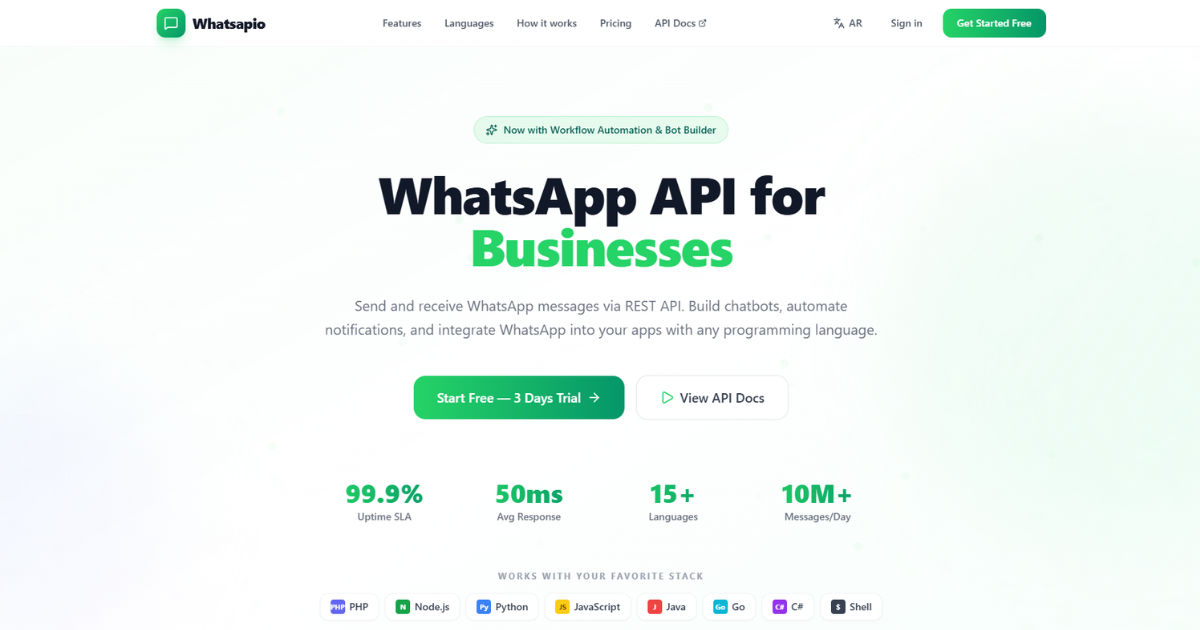 If you are someone who wants to save time and ensure that important messages are sent on time, learning how to send WhatsApp messages automatically is a game-changer.
Automating WhatsApp messaging helps you reach friends, family, or clients without the hassle of manual sending. In this guide, we will explain in detail everything you need to know about setting up automatic WhatsApp messages.
Why You Should Send WhatsApp Messages Automatically
Sending WhatsApp messages automatically can help in several scenarios:
- Business Communication: Small businesses often need to send reminders, promotions, or updates to customers regularly. Automating this saves countless hours.
- Personal Use: You can schedule birthday wishes, greetings, or important reminders without worrying about forgetting.
- Efficiency: Automating repetitive tasks like confirming appointments or sending payment reminders reduces human error.
- Consistency: Messages are sent on time every time, which improves professionalism and trust.
By setting up automated messages, you not only save time but also maintain a consistent connection with your audience or loved ones.
Methods to Send WhatsApp Messages Automatically
There are different methods to send WhatsApp messages automatically. Depending on your needs and technical comfort, you can choose one of the following:
1. Using WhatsApp Business App
The WhatsApp Business app is designed for small business owners, but it also works for personal automation needs. Here’s how to use it:
- Download and Install WhatsApp Business: Available on Android and iOS.
- Set Up Your Business Profile: Add your business name, logo, and description.
- Use the “Away Message” Feature: This feature automatically replies to messages when you are unavailable. You can customize the message and set schedules.
- Use the “Greeting Message” Feature: Send automatic welcome messages to new contacts.
While this method doesn’t allow full scheduling like third-party apps, it’s perfect for basic automation without violating WhatsApp rules.
2. Using Third-Party Automation Apps
If you want to schedule messages in advance or send bulk messages, third-party apps are your best option. Popular apps include SKEDit, Wasavi, and AutoResponder for WhatsApp. Here’s a step-by-step guide:
- Install the App: Choose a trusted app from Google Play Store or App Store.
- Grant Necessary Permissions: These apps often need access to notifications and WhatsApp to function correctly.
- Compose Your Message: Write the text you want to send automatically.
- Select Recipients: You can send to individual contacts or groups.
- Schedule Date and Time: Set when you want the message to be sent.
- Confirm and Activate: Once activated, the app will handle sending messages automatically.
These apps allow you to send WhatsApp messages automatically in bulk or on a schedule, saving significant time.
3. Using WhatsApp Web and Python Scripts
For users with some technical knowledge, automation can be achieved using WhatsApp Web and coding. Python, along with libraries like PyWhatKit or Selenium, allows you to schedule messages. Here’s a simplified explanation:
- Install Python: Make sure Python is installed on your computer.
- Install PyWhatKit Library: This library allows sending WhatsApp messages using code.
- Write a Script: You can write a script to send messages at a particular time. For example, you can send reminders or announcements automatically.
- Run the Script: Once executed, your message will be sent automatically.
This method is more advanced but offers full control over automation, timing, and customization.
4. Using Zapier or Integromat for Automation
Zapier and Integromat (now Make) are powerful tools that connect different apps. You can use them to send WhatsApp messages automatically based on triggers:
- Create an Account on Zapier/Make: Sign up for a free or premium account.
- Connect WhatsApp via Twilio: WhatsApp Business API requires integration via Twilio.
- Set Triggers: Decide when messages should be sent. For example, when a form is submitted or a payment is received.
- Set Actions: Configure the message content and recipients.
This method is suitable for businesses that want advanced automation, integrating WhatsApp with CRMs, email, or other tools.
Tips for Effective Automated WhatsApp Messaging
While automation is helpful, it’s important to use it wisely. Here are some tips:
- Avoid Spamming: Sending too many messages can get your number blocked. Keep it relevant and occasional.
- Use Personalization: Even automated messages should feel personal. Include names or relevant details.
- Schedule Wisely: Send messages during appropriate hours to avoid disturbing recipients.
- Test Before Sending: Always test automated messages to ensure they look correct and reach the right audience.
- Keep It Professional: Especially for business communication, ensure grammar and tone are professional.
Common Mistakes to Avoid
- Ignoring WhatsApp Policies: WhatsApp strictly regulates automated messaging to prevent spam. Using unofficial apps can lead to account bans.
- Overloading Contacts: Too many automated messages can annoy recipients.
- Not Updating Messages: Avoid outdated messages. Review and update them regularly.
- Neglecting Manual Interaction: Automation should supplement, not replace, personal responses.
Tools and Apps for Automation
Here’s a detailed list of tools you can use to send WhatsApp messages automatically:
- WhatsApp Business App – Basic automation like greetings and away messages.
- SKEDit – Schedule messages for later delivery.
- Wasavi – Automate replies and reminders.
- AutoResponder for WhatsApp – Set automated replies to specific messages.
- Twilio API – Advanced automation for businesses via WhatsApp API.
- Zapier / Make – Connect WhatsApp with other apps for workflow automation.
- PyWhatKit (Python) – Send scheduled messages with coding.
Each tool has its strengths. For beginners, apps like SKEDit are perfect, while advanced users may prefer coding or API integration.
Step-by-Step Guide Using SKEDit
To make it practical, here’s how to use SKEDit to send WhatsApp messages automatically:
- Download SKEDit: Available on Android.
- Sign In: Use your Google account or other supported login.
- Select WhatsApp: Choose WhatsApp as the platform.
- Compose Your Message: Write the text you want to send.
- Select Contact or Group: Pick the recipients.
- Set Time and Date: Schedule when the message should be sent.
- Enable Auto-Send: Grant accessibility permission so SKEDit can send messages automatically.
- Confirm and Monitor: Your messages will now be sent automatically at the scheduled time.
This method is simple, reliable, and safe.
Benefits of Sending WhatsApp Messages Automatically
Automating WhatsApp messages comes with multiple advantages:
- Time-Saving: You don’t have to manually send each message.
- Better Organization: Schedule reminders, follow-ups, or announcements efficiently.
- Consistency: Messages go out on time, building trust with recipients.
- Improved Engagement: Automated personalized messages can increase responses and interaction.
- Business Growth: Automation helps manage multiple clients and campaigns effectively.
Security Considerations
Automation is convenient, but security must be prioritized:
- Use trusted apps from official stores.
- Avoid sharing sensitive data with automation tools unless necessary.
- Regularly monitor automated messages for errors.
- Be aware of WhatsApp’s terms to prevent account suspension.
Advanced Tips for Businesses
Businesses can maximize automated messaging by:
- Integrating with CRM: Send messages automatically based on client behavior.
- Segmenting Contacts: Target messages based on customer preferences.
- Using Multimedia: Send images, documents, or links automatically for promotions or announcements.
- Analyzing Results: Track delivery, opens, and responses to improve campaigns.
Automation combined with strategy leads to better customer engagement and operational efficiency.
Conclusion
Learning how to send WhatsApp messages automatically is no longer optional in today’s digital world; it is a necessity for both personal convenience and business growth. Whether you choose simple tools like WhatsApp Business app, scheduling apps like SKEDit, or advanced methods like Python scripting and Twilio integration, automation helps you save time, maintain consistency, and engage your audience effectively. Always remember to respect privacy, avoid spamming, and keep messages personalized to ensure maximum impact. With the right tools and approach, sending WhatsApp messages automatically can transform the way you communicate, making it efficient, professional, and reliable.