
In the fast-paced earthly concern of minelaying and stuff processing, selecting the right equipment is crucial to insure efficiency, sustainability, and cost-effectiveness. Mineral processing involves the extraction of worthy minerals from ores, and this work requires high-tech equipment that can handle various stages of quelling, grinding, separation, and purification. The pick of the best material processing solutions can bear upon your operation’s productivity and gainfulness. This clause explores the most effective and trustworthy stuff processing and the considerations that industries must report for when qualification their selection.
1. Understanding Mineral Processing Equipment
Mineral processing equipment refers to the machinery and tools used to perform different trading operations on raw minerals extracted from mines. These include tasks such as suppression, abrasion, legal separation, flotation, filtration, and drying. The object lens is to extract worthy minerals from ore in the most efficient and cost-effective way possible. Common processes within stuff processing let in:
- Crushing: Breaking down vauntingly rocks into smaller fragments.
- Grinding: Reducing subatomic particle size to facilitate further separation.
- Flotation: Separating valuable minerals from gangue using chemicals.
- Magnetic and Gravity Separation: Separating minerals based on differences in physical properties like density or magnetised susceptibleness.
- Dewatering and Drying: Removing surplus irrigate from concentrates.
Each type of stuff requires specialized equipment, depending on its characteristics and the wanted end product.
2. Key Factors to Consider in Equipment Selection
Choosing the best equipment for material processing depends on several factors:
a. Material Properties
The type of stuff being refined, its hardness, size, and the wanted particle size for legal separation, will all influence the survival of . For example, ores that are harder require unrefined crushers, while softer materials may only need grinders.
b. Throughput Capacity
Each mineral processing plant has particular production targets, and must be selected based on the throughput needed. High-capacity machines are nonesuch for big-scale operations, while littler systems might be better suitable for specialized or low-throughput operations.
c. Energy Efficiency
Mining and stuff processing are vim-intensive operations. Energy-efficient helps reduce operational and minimize situation impacts. Equipment that offers low vim consumption while maintaining public presentation is necessary in today’s property mining practices.
d. Maintenance and Durability
Durability and ease of sustainment are indispensable for reducing and sustentation . Equipment should be built to withstand the wear and tear of handling hard minerals and the harsh conditions of mining environments. Additionally, handiness of save parts and maintenance services is a key consideration.
e. Regulatory Compliance
Mineral processing equipment must follow with local anaesthetic and International environmental and refuge standards. Whether it's air quality standards, water usage limits, or resound control, the equipment must meet the relevant regulatory requirements to avoid valid issues and dearly-won penalties.
3. Popular Mineral Processing Equipment Solutions
Several types of are ordinarily used in mineral processing, each right to different stages of the processing flow:
a. Crushing Equipment
Crushing is the first step in material processing. Jaw crushers, cone crushers, and touch on crushers are the most widely used machines in this . For hard and boastfully materials, primary quill jaw crushers are often made use of, while secondary crushers like cone crushers and affect crushers help refine stuff size further.
- Jaw Crushers: Efficient for break large rocks into littler sizes.
- Cone Crushers: Ideal for secondary winding or tertiary stifling where better sizes are needed.
- Impact Crushers: Best for processing materials that need a high simplification ratio.
b. Grinding Mills
Grinding is the process of reducing the size of particles for further processing. Ball mills, rod Robert Mills, and upright Robert Mills are green types of attrition equipment in the industry.
- Ball Mills: Best for fine abrasion of materials and suited for both wet and dry processing.
- Rod Mills: Often used for plushy attrition, providing better verify of material size.
- Vertical Mills: A more competent pick for fine attrition in certain mineral processing applications.
c. Flotation Cells
Flotation is a method used to separate worthy minerals from gangue. Flotation cells use air bubbles and chemicals to by selection separate minerals. These machines are used in the first place in processing ores such as , gold, and lead.
- Mechanically Agitated Flotation Cells: Ideal for fine-grained ores that require thorough tempestuousness to check operational stuff separation.
- Column Flotation Cells: Known for high efficiency and lour energy using up compared to orthodox floatation methods.
d. Magnetic and Gravity Separators
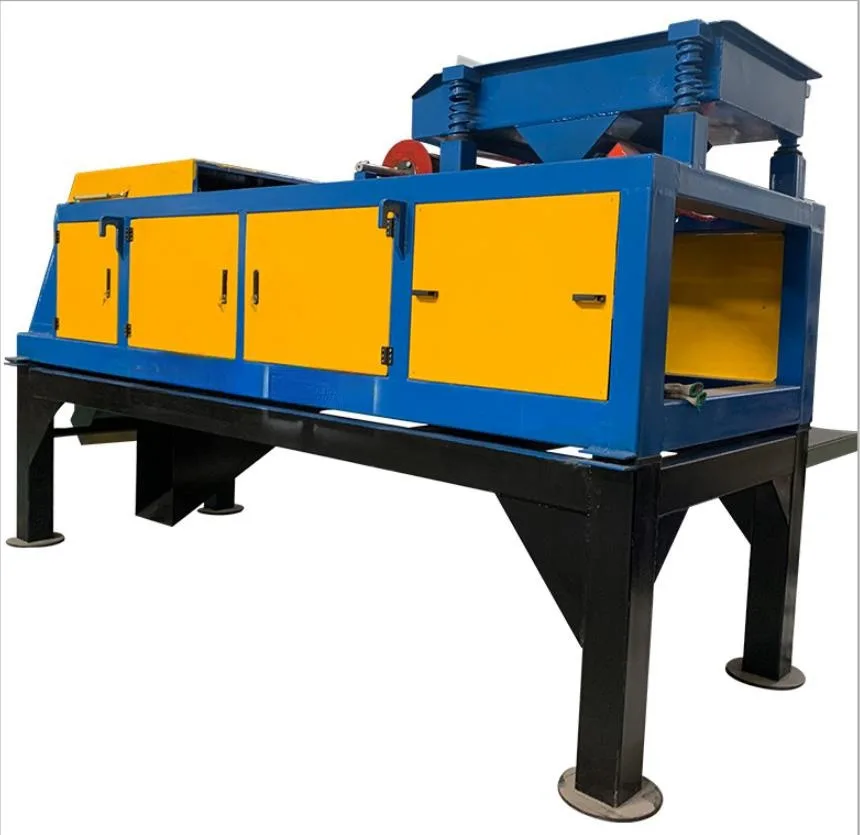
Permanent Magnetic Separator are used to extract metallic element materials, while solemnity separators help part materials based on density differences. These separators are nonsuch for processing ores like iron ore, coal, and rare earth minerals.
- Magnetic Separators: Often used in with crushers and mills to remove magnetic impurities from the stuff.
- Gravity Separators: Effective in separating heavier minerals from light ones using water or air.
e. Dewatering Equipment
After the flotation and separation processes, dewatering is requisite to remove surplusage wet from the stuff reduce. Filters, centrifuges, and thickeners are green pieces of equipment used for this purpose.
- Belt Filters: Efficient for processing big volumes of slurry in material processing plants.
- Centrifuges: Ideal for more punctilious dewatering of fine materials.
- Thickeners: Used to increase the solids of slurry before further processing.
4. Emerging Trends in Mineral Processing Equipment
As the minelaying manufacture faces ontogenesis challenges such as resource depletion, situation concerns, and ascension energy costs, several trends are future in material processing :
-
Automation and Digitalization: Many material processing operations are integrating mechanisation and data analytics to optimize public presentation, tighten homo error, and ameliorate safety. Smart machines and real-time monitoring systems are becoming standard in the industry.
-
Sustainable Technologies: Equipment solutions that prioritise vim efficiency, low water use, and token run off multiplication are gaining grandness as the industry faces squeeze to meet sustainability goals.
-
Modular Equipment: Modular processing plants are gaining popularity due to their tractableness, scalability, and cost-effectiveness. These systems allow for easy expansion and the ability to shoehorn to specific processing needs.
5. Conclusion
Selecting the right material processing equipment is life-sustaining for achieving best public presentation and profitability in the mining manufacture. Factors such as stuff properties, requirements, vitality efficiency, and sustainability goals must be advised when qualification equipment choices. With advancements in technology and the ontogeny vehemence on sustainability, the future of material processing is increasingly focussed on mechanization, modularity, and eco-friendly solutions. By leverage the right , industries can not only better their work efficiency but also tighten their state of affairs footprint, at long las ensuring long-term winner in an ever-evolving market.