
In the world of industrial automation and procedure control, the significance of exact measurement and noticing technologies can not be overstated. From checking fluid levels to handling flow prices and pressure problems, different tools like ultrasonic level sensors, differential pressure transmitters, inline flow meters, and torque sensors play essential roles in ensuring functional effectiveness and safety in varied applications.
Ultrasonic level sensors are important for non-contact measurement of liquid levels, using precise analyses without altering the tool’s attributes. Making use of high-frequency sound waves, these sensors can discover degrees in open containers or shut vessels, making them suitable for a selection of materials, consisting of water, chemicals, and gas.
Differential pressure transmitters are essential to gauging pressure differences in between 2 factors in a system. These tools transform pressure variations into an electrical signal that can be easily kept an eye on and analyzed. The working principle behind differential pressure transmitters often entails using a diaphragm that bends in feedback to pressure variants, translating these become a quantifiable output. This technology is especially prominent in level measurement applications, where it establishes the level of fluids in tanks through hydrostatic pressure calculations.
Discover high temperature pressure transmitter exactly how precise measurement and sensing innovations, such as ultrasonic level sensors, differential pressure transmitters, and flow meters, play a vital function in boosting operational effectiveness and security in industrial automation and procedure control.
Flow measurement modern technologies additionally incorporate a large range of tools to deal with varying measurement demands. Inline flow meters deliver real-time information about the flow rate of fluid or gas, while magnetic flow meters utilize electromagnetic principles to determine conductive fluids without relocating components, guaranteeing long-term dependability and reduced maintenance. Similarly, a clamp-on ultrasonic flow meter provides a non-invasive service for flow measurement by utilizing ultrasonic waves transmitted with the pipeline wall, perfect for scenarios where modifications to existing piping has to be avoided.
Turbine flow meters are one more prominent option, acknowledged for their accuracy and capacity to deal with a variety of flow prices properly. However, their performance could necessitate regular calibration to maintain accuracy, particularly in vibrant or high-variation flow settings. This need for calibration brings focus to the significance of device maintenance, which can often be facilitated by working with seasoned flow meter providers and representatives.
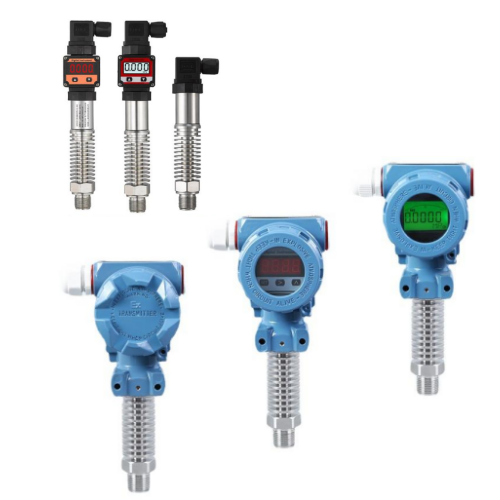
Different types of pressure sensors offer distinct purposes based on their design and underlying technology. Absolute pressure sensors gauge pressure relative to a perfect vacuum, supplying essential data in applications where high precision is paramount. Alternatively, vacuum pressure sensors are vital in systems that require tracking of stress listed below ambient atmospheric levels. Understanding the various pressure sensor types can aid sectors pick the correct technology for their certain process needs.
In many industrial applications, particularly those entailing fluid handling, torque sensors are crucial for gauging the torque related to rotating systems. Rotary torque transducers focus on non-contact measurement, providing high accuracy while reducing mechanical wear and ensuring prolonged life span. As systems become increasingly automated, the integration of these sensors into control systems enhances productivity and product top quality by making it possible for real-time feedback and adjustments.
As we dive much deeper right into the complex globe of flow meters, it’s important to highlight the specific advantages of tools like rotameters, which are extensively used for their simplicity and capability to manage clean and clear liquids. These variable area flow meters operate the principle of buoyancy, enabling straightforward aesthetic flow indicator via a float within a conical tube. Their standard layout and capability have actually protected an unfaltering place in many industrial setups, especially in research laboratory and small applications.
An additional crucial aspect of liquid administration is examining gas levels in storage space containers, particularly diesel storage tanks. Diesel tank level indicators can offer necessary insights regarding fuel degrees, assisting avoid unanticipated lacks and assisting in far better inventory management. In most cases, these level measurement technologies can be integrated with other systems to automate supply chain procedures, enhancing both precision and efficiency.
When talking about flow metering technologies, it’s essential not to overlook the environmental and operational conditions in which they are used. High-temperature pressure transmitters, for example, are designed to hold up against severe operating temperature levels in oil and gas applications, thereby making certain precise pressure measurement without efficiency degradation. Hydrostatic level sensors take advantage of the pressure applied by the weight of a column of liquid to provide level dimensions, showcasing their adaptability throughout different liquid types and processe.
Involving with trusted flow meter manufacturers and pressure transmitter producers is essential for organizations seeking to carry out these solutions successfully. Reputable providers and representatives supply detailed assistance, guaranteeing that clients not only choose the appropriate devices yet additionally get calibration, installation, and maintenance support. This all natural technique can bring about minimized downtime and enhanced operational efficiency, which are essential objectives for any industrial procedure.
Discover how exact measurement and sensing modern technologies, such as ultrasonic level sensors, differential pressure transmitters, and flow meters, play an important role in enhancing functional effectiveness and safety in industrial automation and procedure control.
Ultimately, choosing the best measurement and control modern technologies is essential for enhancing industrial processes. The market offers a plethora of options, each suited for specific applications throughout different sectors, whether it be water therapy, drugs, petrochemicals, or food and beverages. As advancements in modern technology proceed to evolve, these transmitters and sensors will just boost their capabilities, further assisting markets in accomplishing higher standards of effectiveness and accuracy.
For organizations aiming to stay affordable, purchasing innovative measurement innovations need to be a concern. Assessment of flow meter types, pressure sensor types, and the benefits provided by ultrasonic level sensors or magnetic flow transmitters will allow a much more educated decision-making procedure. In addition, recognizing the working principle of various gadgets makes certain not just precise dimensions, but likewise the execution of ideal practices customized to distinct industrial contexts.
To conclude, as markets significantly rely upon innovative systems for liquid management and process control, the role of measurement technologies like ultrasonic level sensors, differential pressure transmitters, and torque sensors comes to be significantly prominent. Working successfully with relied on flow meter suppliers and suppliers, organizations can harness progressed instrumentation to enhance their operations, making certain specific measurement, boosted efficiency, and raised security criteria. By accepting the power of these modern technologies, industries can confidently navigate the intricacies of their processes, accomplishing an unified equilibrium between performance and top quality.