
In 2026, the most trusted sources for a used BMW B58 engine for sale are licensed U.S. dismantlers and specialty BMW engine suppliers that provide compression-tested long blocks, clear warranty terms, and VIN-matched fitment for your 340i, 440i, M340i, X3/X4 M40i, or Z4 M40i. Reputable sellers typically list mileage, test results, and shipping options, and they stand behind their inventory with at least a short-term mechanical warranty.
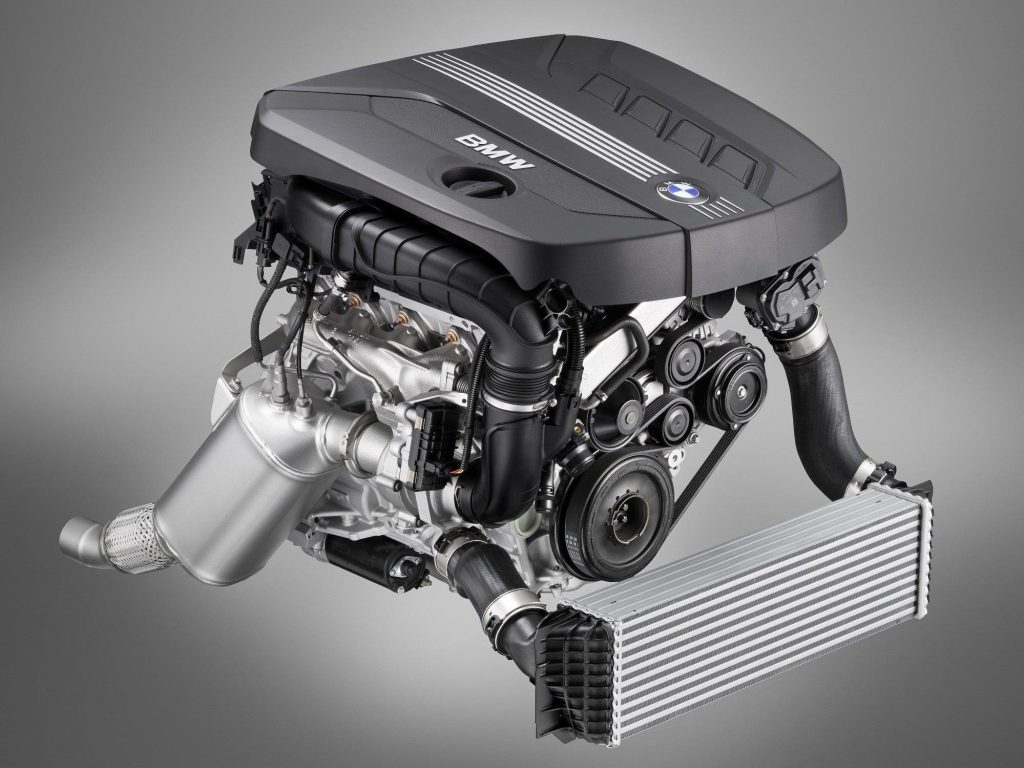
Why the BMW B58 Is a Smart Used Engine Buy in 2026
The B58 3.0L turbo inline-six has earned a reputation as one of BMW’s most reliable modern engines, especially versus the older N54/N55. When maintained properly, many B58 units reach 150,000–200,000+ miles without major internal failure.
Key reasons buyers seek a used B58 in 2026:
- Strong reliability record: Forum data and breakdown statistics show few catastrophic failures when oil, cooling, and ignition are maintained
- Tuning potential: The closed-deck block and robust internals handle moderate power increases on stock components.
- Wide fitment: Found in 2016–2026 models including 340i, 440i, 540i, M340i, M440i, X3/X4 M40i, and Z4 M40i.
Where to Find Trusted Used BMW B58 Engines in the U.S.
For U.S. buyers, the safest path is working with established dismantlers and BMW-focused engine specialists rather than random marketplace listings.
Types of Trusted Sellers
- Licensed auto dismantlers: These yards pull engines from low-mileage or collision vehicles, test them, and offer warranties.
- BMW specialty engine shops: Some sellers focus exclusively on BMW engines (B58, N54, N55, etc.) and provide VIN matching and shipping nationwide.
- Online marketplaces with vetted sellers: Platforms that aggregate inventory from multiple yards can help you compare mileage, price, and warranty quickly.
For curated selection and fitment help, US Car Parts Locator connects buyers with vetted U.S. suppliers of used BMW engines, including B58 units, and can streamline quotes and shipping.
What to Check Before Buying a Used B58 Engine
A “trusted dealer” isn’t just about branding—it’s about transparency and testing. Use this checklist when shopping for a used bmw b58 engine for sale.
Essential Verification Steps
- Compression and leak-down test results: Ask for documented numbers per cylinder; healthy B58s should show even compression across all six cylinders.
- Mileage and source vehicle: Confirm odometer reading and whether the donor car was running prior to dismantling.
- Warranty terms: Look for at least a 30–180 day mechanical warranty covering internal components; read exclusions carefully.
- Included components: Clarify if the sale includes alternator, starter, turbo, manifolds, or if it’s a long block/short block only.
- Return and core policy: Understand return windows, restocking fees, and whether a core charge applies if you’re not sending your old engine back.
Typical Price Ranges for Used B58 Engines (2026)
Prices vary by mileage, condition, and what’s included. Based on current listings and dismantler inventories:
Always factor in shipping, core charges, and installation labor when budgeting.
Common B58 Issues to Watch For (and How They Affect Used Buys)
Even a reliable engine can have wear items. Knowing typical B58 failure points helps you evaluate listings and plan maintenance after installation.
Frequent Wear Items on Higher-Mileage B58s
- Valve cover gasket leaks: Often appear between 60,000–100,000 miles; relatively inexpensive to replace.
- Oil filter housing gasket: Another common seepage point as the engine ages.
- Cooling system components: Plastic expansion tanks, hoses, and water pumps can fail; many owners replace these preventively around 80,000–100,000 miles.
- PCV valve/diaphragm: Early B58s may develop PCV-related rough idle or lean codes; replacement is straightforward.
- Carbon buildup on intake valves: Typical for direct-injection engines; walnut blasting every 60,000–80,000 miles helps maintain performance
A trusted seller will disclose known leaks or codes and may offer engines that have already had gaskets or cooling parts refreshed.
1. How long do used BMW B58 engines last?
With proper maintenance, many B58 engines exceed 150,000–200,000 miles; some owners report 250,000+ miles without major internal work.
2. Is a used B58 engine reliable?
Yes—when sourced from a reputable seller and checked for compression, the B58 is considered one of BMW’s most dependable modern engines.
3. What mileage is safe when buying a used B58?
Under 100,000 miles is ideal; 100,000–130,000 miles can still be good if cooling and gasket items have been addressed.
4. Do used B58 engines come with a warranty?
Many trusted dismantlers and specialty shops offer 30–180 day mechanical warranties on internal components; always confirm terms.
5. Will a used B58 fit my BMW model?
B58 engines are used in 340i, 440i, 540i, M340i, M440i, X3/X4 M40i, and Z4 M40i; VIN matching ensures correct harness, mounts, and ECU compatibility.
6. What tests should I request before buying?
Ask for compression/leak-down results, cold-start video if possible, and any diagnostic codes pulled before removal.
7. Are there known problems with the B58 I should budget for?
Plan for potential gasket leaks, cooling component refresh, and carbon cleaning as routine maintenance on higher-mileage units.
8. Can I tune a used B58 after installation?
Yes—the B58 handles moderate tuning well on stock internals, but ensure the engine is healthy before adding boost or aggressive maps.
FAQs – Used BMW B58 Engines
Q1: What’s the difference between a long block and a completely used B58?
A long block typically includes the block, heads, and valvetrain but may exclude accessories like the turbo, manifolds, alternator, and starter; a complete engine includes most bolt-on components.
Q2: How do I verify a seller is trustworthy?
Look for clear contact information, documented testing, warranty in writing, and reviews or references from other BMW buyers.
Q3: Should I buy a B58 from a general marketplace or a specialist?
Specialists and licensed dismantlers usually provide better testing, fitment support, and warranty coverage than random private listings.
Q4: What documents should I receive with my used B58?
Request an invoice, warranty terms, test results, mileage statement, and, if possible, the donor vehicle VIN for records.
Q5: How much does shipping a used B58 engine cost in the U.S.?
Domestic freight for a crated engine typically ranges from 300–700 depending on distance and carrier; some sellers include or discount shipping.
Q6: Do I need to reprogram the ECU after installing a used B58?
In most cases, the existing ECU can be reused or re-flashed to match the replacement engine’s calibration; a BMW specialist can handle this.
Q7: Is it worth rebuilding my current B58 vs buying a used one?
If your block is damaged or repair costs approach 60–70% of a tested used engine, a low-mileage replacement is often more cost-effective.
Q8: Can US Car Parts Locator help me find a used B58?
Yes—US Car Parts Locator works with U.S. suppliers to source used BMW B58 engines, compare options, and arrange delivery to your shop.